Exploring Raw Food Options for Dogs
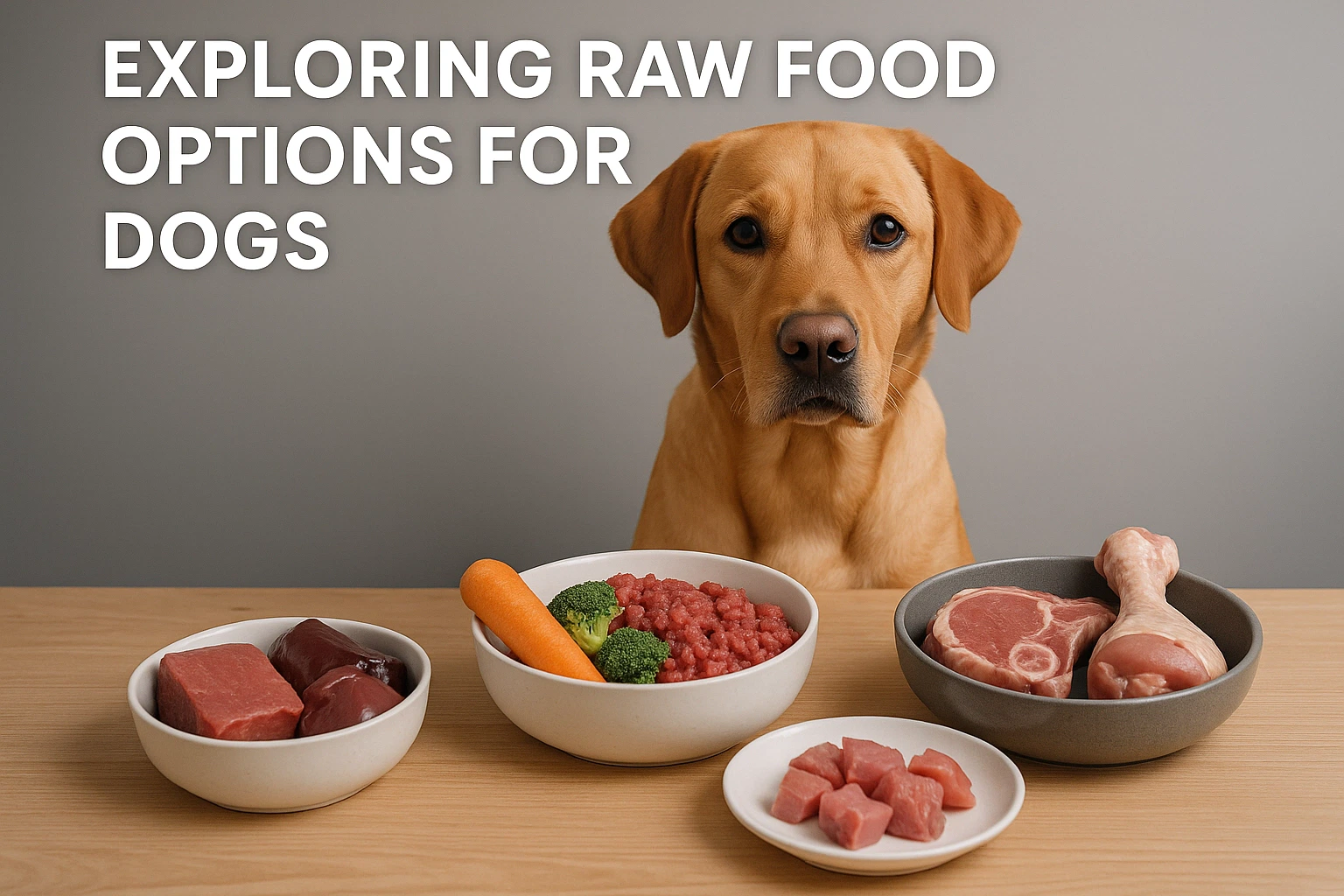
Thinking about switching your pup to a raw diet, but not sure where to start? You are in the right place. Raw feeding can sound exciting, and a little intimidating, especially if you are new to it. In this beginner friendly guide, we will explore raw food options for dogs in a clear, practical way so you can decide what makes sense for your dog and your lifestyle.
You will learn what “raw” really means, from DIY meals to commercial blends. We will look at popular approaches like BARF and PMR, how they differ, and which might fit your needs. We will walk through the potential benefits, shinier coats, lean muscle, better stools, as well as the risks, bacteria, unbalanced meals, and how to minimize them. You will get tips on safe handling, how to read labels, how to balance nutrients, and how to transition slowly without upsetting your dog’s stomach. We will also touch on budget, storage, and when to involve your vet. By the end, you will have a clear, beginner friendly roadmap to evaluate raw feeding with confidence, and to choose the best raw food options for dogs if you decide to give it a try.
Background and Current Trends in Dog Nutrition
Traditional vs raw, in plain English
Most dogs today eat traditional dry food, often called kibble. It is convenient, shelf stable, and typically formulated to meet standards set by bodies like FEDIAF, which helps beginners hit nutrient targets with minimal effort. Raw diets aim to mirror a dog’s ancestral fare and usually follow a rough template of 75 to 80 percent muscle meat, 10 percent raw edible bone, 5 percent liver, 5 percent other organs, and up to 5 percent animal-based fiber. Advocates report better digestion, cleaner teeth, and glossier coats. Risks exist too, including bacterial exposure and nutrient imbalance if recipes are not complete and balanced. For a quick primer on pros and cons, see expert guidance on raw vs kibble and this overview of raw diet benefits and risks.
Why owners are moving toward less processed
Pet humanization is reshaping choices in the UK, with owners seeking human grade, additive free meals that read like their own shopping lists. Reports of improved digestion and firmer stools are common among raw feeders, and research indicates raw can be more digestible than many commercial dry diets. Convenience has improved too, with frozen raw delivered to the door and complete recipes that combine proteins and vegetables to simplify feeding. Market analysts note strong global momentum in raw and minimally processed formats, reflecting this health focused shift, as highlighted in the Pet Raw Food Global Market Report. Some owners also weigh sustainability, since premium meat heavy diets can carry a larger climate pawprint, and may rotate proteins or include plant ingredients.
Concerns about processed foods, plus practical tips
Long ingredient lists, ultra processing, and certain additives in some pet foods have pushed many beginners to explore raw food options for dogs. Still, raw must be done right. Studies show mineral levels, especially calcium, can run high in some preprepared raw products, and dogs can shed pathogens if hygiene is poor. Choose complete and balanced recipes aligned with FEDIAF guidance, handle raw like you would your own meat, and transition gradually over 5 to 7 days. For UK context, the raw segment is expanding rapidly, with frozen formats leading and strong growth forecast through the next decade, underscoring raw’s staying power. Up next, we will break down how to assess quality and safety when picking a raw plan for your dog.
The Benefits of Raw Food Diets
Healthier body condition and steady vitality
Raw meals tend to be rich in high quality protein and naturally lower in starch, which helps dogs maintain lean mass and manage weight. Balanced recipes often follow 75 to 80 percent muscle meat, 10 percent edible bone, 5 percent liver, 5 percent other organs, and up to 5 percent animal based fiber, which supports satiety. Studies report greater digestibility for raw diets, so more usable energy and less waste. Start with 2 to 3 percent of ideal body weight per day, review weekly, and consider complete options like PrimalBox’s Balanced Ultra Complete for consistent macros and micros.
Shinier coats and healthier skin
Essential fatty acids and amino acids in raw meat, tripe, and chicken skin support sebum balance and shinier coats. Owners often note less shedding and itch in four to six weeks when omega 3 rich items like oily fish are rotated. Puppies benefit too as protein quality supports coat growth during rapid development. Add fish oil only if needed to avoid loose stools, and keep bathing minimal to protect skin oils.
Cleaner teeth, fresher breath, and efficient digestion
Chewing appropriately sized raw meaty bones or textured raw chews can reduce plaque through abrasion for fresher breath. If bones are not suitable, finely ground bone in complete meals supplies minerals, but portion accuracy matters and about 45.5 percent of surveyed raw products exceed recommended calcium. Raw diets tend to be highly digestible, so stools are often smaller, firmer, and less odorous, which many owners notice within days. Transition over three to five days, keep bowls and surfaces hygienic, and store food frozen to manage safety while your dog’s gut adapts.
Understanding Raw Diet Nutrition
An ancestral template, and why macros matter
Raw feeding aligns with canine biology, which favors animal protein and fat over starch. A practical template many beginners use is 75 to 80 percent muscle meat, 10 percent raw edible bone, 5 percent liver, and 5 percent other secreting organs, with optional low carbohydrate vegetables for fiber. This prey modeled balance supplies concentrated amino acids for lean muscle, heme iron and B vitamins for energy metabolism, and naturally occurring collagen and connective tissue. Research indicates raw diets can be more digestible than dry formulas, which often shows up as smaller, firmer stools and better nutrient uptake. If you are exploring raw food options for dogs, begin with a straightforward mix such as beef and tripe plus chicken and a small portion of fibrous vegetables, then rotate proteins to broaden micronutrient coverage.
Omega 3s for skin and coat
Omega 3 fatty acids, especially EPA and DHA, are powerful allies for calm skin, a glossy coat, and joint comfort. Oily fish like sardines, mackerel, and salmon provide highly bioavailable EPA and DHA that help counterbalance typically higher omega 6 levels in modern meats. Aim for an overall omega 6 to omega 3 ratio near 5:1 to 10:1 by including one to two oily fish meals weekly or using a measured marine fish oil. For a simple primer on benefits and balancing strategies, see this overview of canine raw diet benefits and fats. Always introduce oils gradually and store them chilled to protect delicate fatty acids.
Calcium, phosphorus, and bioavailability
Growing puppies and adult dogs alike need a correct calcium to phosphorus ratio for skeletal health, typically near 1.2:1. In raw diets, this is usually achieved by including about 10 percent raw meaty bone, or an equivalent measured source such as fine bone meal, which helps maintain mineral balance crucial for bone and tooth strength, see balanced raw transitions and bone guidance. Precision matters, since one survey found 45.5 percent of commercial raw foods exceeded recommended calcium levels. If your dog cannot chew bone, a calibrated alternative like eggshell powder can supply calcium with less phosphorus. High bioavailability is a hallmark of raw ingredients, and, combined with careful mineral control and hygienic handling, it supports efficient absorption without overloading the system.
Raw Diet Considerations and Challenges
Safety first: Salmonella shedding and common myths
Raw meat can harbor Salmonella and E. coli, and raw-fed dogs may shed these organisms even when they seem well. Household contamination is a documented risk, with studies reporting up to about 30 percent of raw-fed dogs shedding pathogens, see AAHA infection control guidance. Avian influenza linked to raw pet food was also reported in a cat, a reminder that pathogens evolve, see news report on a bird flu case linked to raw pet food. Natural does not automatically mean safe, and bones are not risk free. Mitigate by sourcing human-grade food with a tight cold chain, thawing in the fridge, washing hands and bowls, disinfecting prep areas, and picking up stools promptly.
Getting the balance right, plus how to transition
A practical raw template is 75 to 80 percent muscle meat, 10 percent edible bone, 5 percent liver, 5 percent other secreting organs, and up to 5 percent animal based fiber. Even so, roughly 60 percent of home recipes have been judged nutritionally incomplete, see this vet summary. Another survey reported about 45.5 percent of commercial raws exceeding calcium, and phosphorus and copper can also run high, which is risky for puppies. Choose complete formulations with a published analysis, rotate proteins, add oily fish for DHA, and weigh bone rather than guessing. Transition over 7 to 10 days, replace 20 to 25 percent of the old diet every two days, and monitor stool and energy.
Cost and practicalities over the long term
Budgeting helps raw feeding stick. As a yardstick, a 20 kilogram adult eating 2 percent of bodyweight needs about 400 grams per day, around 12 kilograms per month; at £3 to £5 per kilogram, that is roughly £36 to £60 before extras. Add practical costs like freezer space, tubs, disinfectants, delivery, and planning for travel when refrigeration is limited. Keep costs predictable by buying in bulk, consolidating deliveries, choosing value proteins such as British beef tripe and chicken, and using complete mixes. These habits support consistent, safe routines that make raw food options for dogs easier to manage.
Practical Steps to Transition to a Raw Diet
Assess your dog’s starting point
Begin with a simple health snapshot. Note age, ideal weight, activity level, and any medical conditions, since puppies and seniors often need tailored plans. A practical starting estimate for adults is 2 to 3 percent of ideal body weight per day, then adjust based on body condition over 2 to 4 weeks. Keep a log of stool quality, energy, itchiness, and water intake, because these are the earliest signals of how the diet suits your dog. If your dog has a known condition or is underweight or overweight, discuss targets with your vet before you switch.
Phase in raw gradually
Most beginners do well with a 7 to 14 day timeline. Start with 25 percent raw for days 1 to 3, then 50 percent for days 4 to 6, 75 percent for days 7 to 9, and reach 100 percent from day 10 onward. This stepwise approach helps the gut adapt and reduces digestive upset, as outlined in this step-by-step transition schedule. Begin with a single protein, for example chicken, then rotate in beef or turkey after stools are consistently normal for a week. Thaw in the refrigerator, portion carefully, and keep meals chilled until feeding time.
Monitor stool, skin, and energy
Expect smaller, firmer stools as many raw diets are more digestible than dry food. Soft stool during the first few days is common, but watery diarrhea or mucus beyond a week signals you should slow the transition. Watch for brighter eyes, steady energy, and reduced gas, which typically appear within 2 to 3 weeks, and review this checklist of what to watch for during the switch. If your dog seems hungry between meals, add 5 to 10 percent to the daily ration, then reassess body condition weekly.
Choose smart, then automate your supply
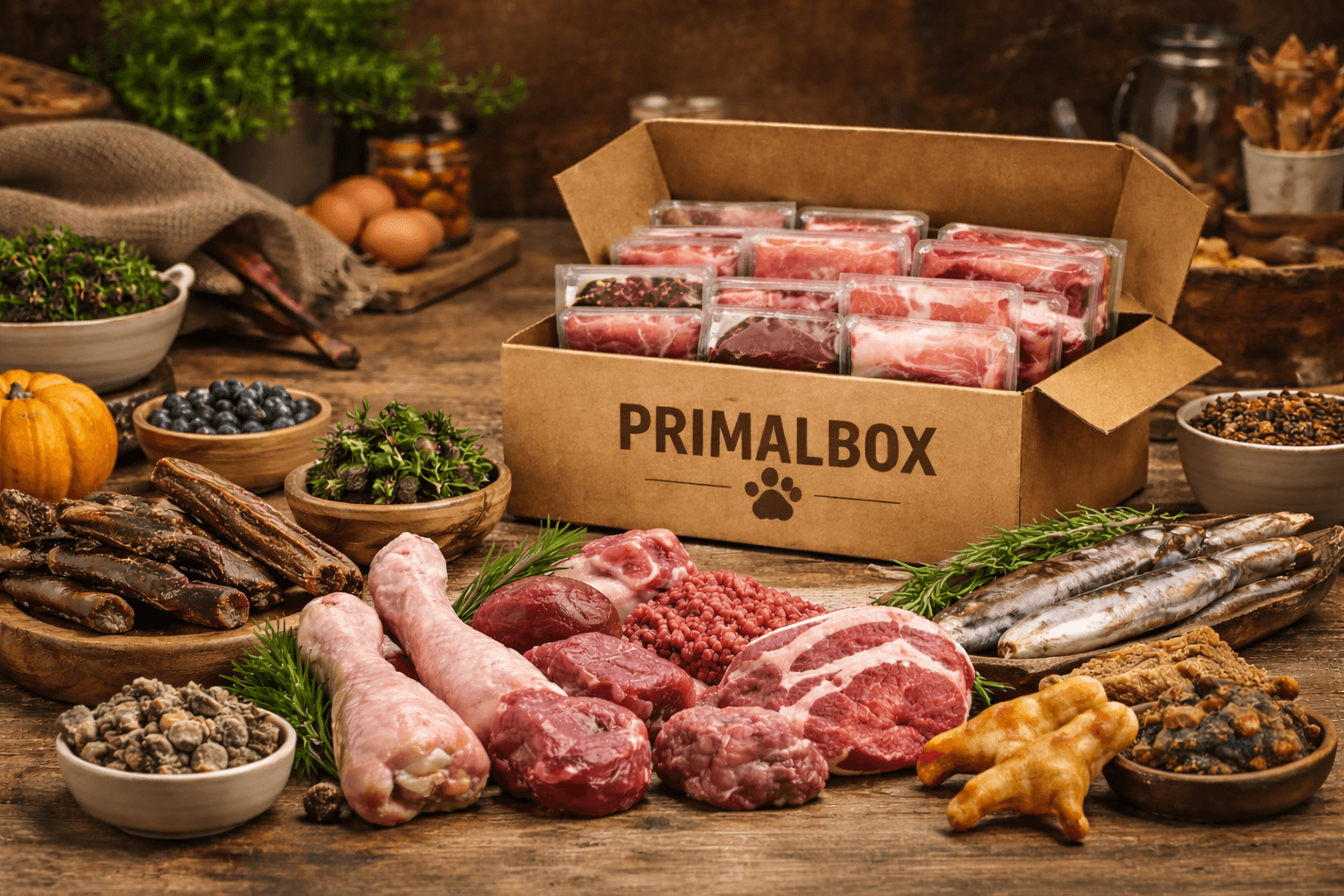
Select complete and balanced raw food options for dogs that match life stage to avoid DIY nutrient gaps. Independent analyses show 45.5 percent of preprepared raw foods exceed recommended calcium, so lean toward formulas that disclose bone content and full micronutrient profiles. PrimalBox simplifies this with human-grade, additive-free recipes such as the Balanced Ultra Complete, a blend of British Beef and Lamb Tripe with Free-Range Chicken and vegetables. Portions arrive frozen from Birmingham for easy storage, which makes planning simple for puppies and adults alike. Set a delivery cadence to match consumption, weigh portions for consistency, and keep 2 to 3 days of meals defrosted in the fridge to stay on track.
Key Findings and Insights
Benefits versus challenges at a glance
For beginners exploring raw food options for dogs, the upside is tangible. Owners often report shinier coats and healthier skin, which aligns with independent reviews Raw diet benefits and risks. Raw often digests better, leading to firmer, less smelly stools and steadier energy. On the flip side, raw meat handling needs strong hygiene because dogs can shed Salmonella even when well. Mineral balance is another risk, since about 45.5 percent of products exceed calcium guidelines; mismatched bones can injure aggressive chewers, and premium meat diets can carry a higher climate pawprint.
Why slow, informed transitions matter
Switching diets abruptly can upset the gut. Plan a gradual change over 7 to 14 days, then allow a few more weeks for microbiome adaptation, tracking stool and appetite. Use a simple template, roughly 75 to 80 percent muscle meat, 10 percent bone, 5 percent liver, 5 percent other organs, and up to 5 percent animal-sourced fibre. Puppies and large breeds need tight calcium to phosphorus control; ask your vet to confirm targets and growth curves. Keep raw separate in the fridge, thaw in sealed containers, clean prep areas, and wash bowls and hands.
A legitimate, healthy option when done right
Studies document greater digestibility and better stool quality on raw, and many owners report increased vitality. Benefits like cleaner teeth and smaller stools are common, yet they coexist with risks that must be managed benefits and risks of raw diets. The takeaway is not perfection, it is precision. Balance nutrients, supervise bone chewing, and handle food safely.
How PrimalBox supports success
PrimalBox removes guesswork by supplying human-grade, additive-free, frozen meals delivered from Birmingham. The Balanced Ultra Complete blends British beef and lamb tripe with free-range chicken and vegetables to support practical ratios and steady digestion. Pre-portioned blocks simplify storage, budgeting, and rotation, helping beginners avoid common mineral and bone errors. For many households, that convenience turns a good idea into a sustainable routine.
Conclusion: Taking Steps Towards Healthier Dog Nutrition
Make informed choices
More UK owners are exploring raw food options for dogs as pet humanization grows, and with good reason. Research indicates raw diets can be more digestible than traditional dry food, and owners often notice improved digestion and healthier toilet habits. A simple template beginners can use is 75 to 80 percent muscle meat, 10 percent raw edible bone, 5 percent liver, 5 percent other secreting organs, and 0 to 5 percent animal-based fiber. Stay mindful of risks, since 45.5 percent of preprepared raw foods in one analysis exceeded recommended calcium levels, and raw-fed dogs can shed Salmonella even when they look well. Practical next steps include choosing complete recipes with controlled bone, practicing strict kitchen hygiene, and adjusting portions to maintain an ideal body condition.
How PrimalBox simplifies the switch
PrimalBox makes raw feeding easier with human-grade, additive-free meals delivered frozen from Birmingham at competitive prices. Its Balanced Ultra Complete, a blend of British Beef and Lamb Tripe with Free-Range Chicken and Vegetables, is built to align with raw diet principles and support firm stools. Get started with measured portions based on ideal weight, transition over 7 to 10 days, and log stool quality, coat shine, and energy as objective checkpoints. Book a vet consult, especially for puppies, seniors, or dogs with medical needs, and ask about calcium to phosphorus balance, appropriate copper levels, and whether a fish oil or vitamin D supplement is advisable. With informed choices, professional guidance, and a straightforward plan from PrimalBox, you can move toward healthier dog nutrition with confidence.
Products
-

-
-