


The Ultimate Guide to Raw Dog Food in the UK
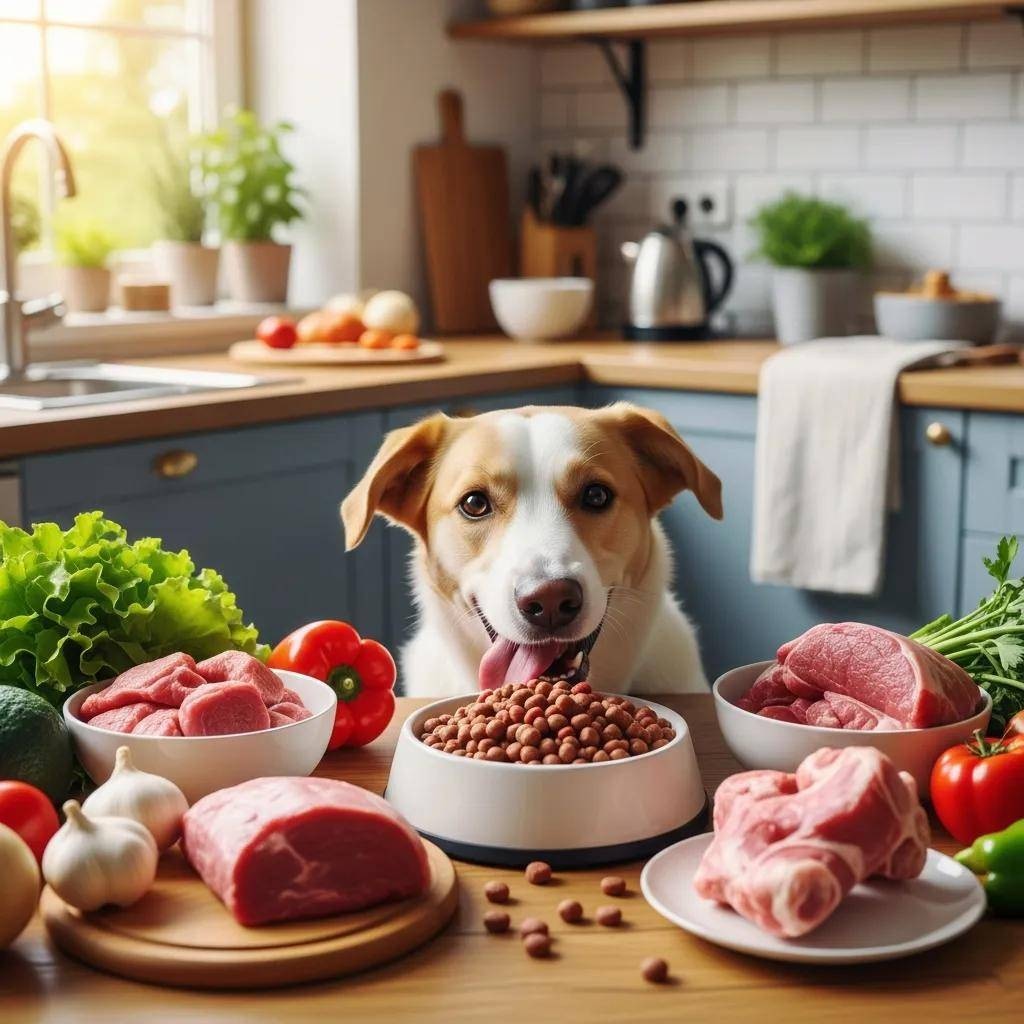
Raw Dog Food in the UK — The Practical Guide: Benefits, Ingredients and How to Switch
Raw dog food — uncooked muscle meat, edible bone, offal and minimal fillers — is now a mainstream choice for many UK owners who want clearer ingredient lists and nutrition that mirrors a dog’s natural diet. This guide covers what raw feeding involves, why owners choose it and the practical, safety and life-stage points to consider in the UK. You’ll find the main benefits of raw diets, the essential components and ratios such as 80-10-10, step-by-step transition plans to reduce digestive upset, and straightforward hygiene measures to reduce bacterial risk. We also explain how to pick trustworthy products and brands, calculate portions for puppies, adults and seniors, and use checks that help you decide whether raw feeding suits your dog — including where complete commercial options fit into the picture.
What Are the Key Benefits of Raw Dog Food in the UK?

When correctly formulated, raw feeding delivers concentrated, lightly processed nutrients that many owners see reflected in firmer stools, glossier coats and improved energy. The core reason is nutritional bioavailability: uncooked muscle meat and fresh offal retain heat‑sensitive vitamins and enzymes that can be reduced by extrusion or cooking, so nutrients may be easier for some dogs to absorb. Owners commonly report smaller, firmer stools and shinier coats thanks to higher‑quality fats and omega‑3s in raw recipes, though individual responses vary. Compared with highly processed kibble, raw options can cut down on fillers and synthetic additives, and they allow you to tailor macronutrient balance to your dog’s activity and life stage. Below are the practical benefits most often reported by UK households.
Raw feeding offers these practical benefits:
- Improved stool quality: smaller, firmer stools often reflect better digestion and nutrient uptake.
- Better coat and skin health: natural omega‑3s and less oxidised fats can help increase shine and reduce irritation.
- Dental benefits: supervised chewing of raw meaty bones can help reduce tartar and support oral health.
- Energy and weight management: higher protein and fat ratios let you adjust portions to suit active or working dogs.
These are the outcomes most owners seek — more efficient nutrition, visible health gains and fewer fillers — so next we explain the physiological reasons behind digestion and coat changes.
How Does Raw Feeding Improve Digestion and Coat Health?
Raw meals can be easier for some dogs to digest because proteins, fats and micronutrients in uncooked muscle and offal remain in more natural forms. Intact lipids and omega fatty acids support cell membranes and the skin barrier, which often shows up as a healthier coat and less flaking. Better digestibility also means fewer indigestible carbs reaching the colon, producing firmer stools and reduced stool volume. Veterinary reviews suggest ingredient form and fatty‑acid profiles are major drivers of these changes, but results do depend on each dog’s baseline health and individual variation.
This biological effect also ties into energy balance and weight control, which we cover next.
What Impact Does Raw Food Have on Energy Levels and Weight Management?
Raw diets commonly have a higher proportion of protein and fats than many dry kibbles, which can increase satiety per calorie and help maintain lean muscle. For very active dogs, you can boost energy intake by increasing portion size or choosing higher‑fat mixes; for less active or ageing dogs, leaner proteins and stricter portion control help prevent weight gain. Use body condition scoring and regular weigh‑ins to fine‑tune intake, and seek a veterinary nutritionist’s advice for dogs with endocrine or metabolic issues. Remember that energy density varies between recipes and protein sources, so monitoring is essential.
Which Ingredients Are Essential in Raw Dog Food for UK Dogs?
A complete raw meal relies on four core groups: muscle meat for protein and amino acids, edible bone for calcium and phosphorus, offal for vitamins and trace minerals, and controlled fat for essential fatty acids and calories. The common 80‑10‑10 guideline and prey‑model variations balance these groups so dogs get macronutrients and micronutrients without excessive supplementation. Ingredient transparency and human‑grade sourcing cut uncertainty around contaminants and provenance, making it easier to assess nutrient profiles and ethical supply. Below is a practical table comparing common ingredient types, typical sources and the benefits they bring for UK dogs.
Essential ingredient roles and nutrients:
This table helps you evaluate recipes; next we explain the 80‑10‑10 ratio and what to substitute when using commercial complete mixes.
What Is the 80-10-10 Ratio and Why Is It Important?
The 80‑10‑10 rule — 80% muscle meat, 10% edible bone and 10% offal — is a practical framework based on prey‑model feeding. Muscle provides most protein and calories, bone supplies essential minerals (especially calcium and phosphorus) and offal delivers fat‑soluble vitamins and trace elements that prevent deficiencies. DIY feeders must measure carefully and may need targeted supplements (for example fish oil or vitamin E) for certain life stages. Commercial complete raw mixes take the guesswork out by pre‑balancing those elements.
Which Human-Grade Meats and Offal Are Common in Raw Diets?
Typical UK raw proteins include beef, chicken, lamb, duck and oily fish, each bringing different amino‑acid profiles and fat levels. Offal — liver, kidney and tripe — packs concentrated micronutrients: liver is rich in vitamin A and B vitamins, kidney supplies iron and selenium, and tripe contains enzymes and beneficial microbes when unwashed. Portions of offal must be controlled to avoid hypervitaminosis or mineral imbalance. Choosing human‑grade sources improves traceability and reduces contamination risk under UK regulations, and rotating protein sources widens the nutrient spectrum while lowering allergy risk.
With ingredients covered, the next practical step is how to switch your dog safely to a raw diet.
How Can You Safely Transition Your Dog to a Raw Diet in the UK?

Transitioning safely means a gradual change paired with careful monitoring so you spot sensitivities early. Incremental increases in new proteins and fats let the gut microbiome and digestive enzymes adapt, reducing the chance of diarrhoea, vomiting or appetite loss. A steady approach — mixing increasing amounts of raw over several weeks — helps you identify adverse reactions and ensures nutritional adequacy as the diet settles. Below is a timetable that suits most adult dogs, with obvious adjustments for puppies or sensitive individuals.
- Week 1: Mix 25% raw with 75% current diet at both meals and monitor stool and appetite.
- Week 2: Increase to 50% raw, keep feeding times steady and log stool quality.
- Week 3: Move to 75% raw if all is well, and continue to check hydration and energy.
- Week 4: Switch to 100% raw for dogs with stable stool, normal appetite and steady energy.
This staged plan reduces shock to the system and makes intolerance easier to spot; the following section covers monitoring metrics and when to contact your vet.
What Are the Step-by-Step Methods for Switching to Raw Food?
There are three common approaches depending on your dog’s temperament: a gradual mix‑in, alternating days, or a quicker “cold turkey” switch for highly food‑driven dogs. The mix‑in method is the most conservative: start with a small percentage of raw mixed into meals and increase weekly while watching for loose stools or decreased appetite. Alternating days exposes the gut to new proteins in smaller bursts but lengthens the transition; “cold turkey” is fastest but carries a higher chance of short‑term digestive upset. Puppies and medicated dogs should move more slowly under veterinary guidance. Whatever method you choose, keep mealtimes and water access consistent and keep a simple feeding log.
How Should You Monitor Your Dog’s Health During the Transition?
Focus on stool consistency, appetite, activity levels, coat condition and bodyweight — these indicators show how well your dog is tolerating the change. Keep a daily log for the first 2–8 weeks noting stool consistency and frequency, energy, any vomiting or reluctance to eat; minor changes in week one can be normal while the microbiome adjusts. Schedule a body condition and weight check at 4–8 weeks, and consult your vet if diarrhoea persists, there’s blood in the stool, rapid weight change or marked lethargy. For dogs with existing health issues, baseline bloodwork before switching can highlight risks a new diet might affect.
What Are the Safety and Hygiene Best Practices for Raw Dog Food?
Raw food can carry bacterial risks but these are manageable with sensible storage, handling and cleaning. The basic principle is temperature and contact control: keep raw blocks frozen until use, thaw safely in the fridge, portion on non‑food surfaces and wash utensils straight away in hot, soapy water. Portion sensibly and refrigerate unused servings promptly; thorough handwashing after handling reduces household risk. Below is a checklist of do’s and don’ts followed by a short storage table that sums up recommended temperatures and timings.
Safe handling checklist:
- Do keep raw food frozen until needed and always thaw in the refrigerator.
- Do use dedicated utensils and surfaces for pet food to avoid cross‑contamination.
- Do wash your hands thoroughly after handling raw meat and recycle packaging responsibly.
- Don’t thaw at room temperature or leave portions unrefrigerated for long periods.
These simple steps lower risk and keep your home safer; see the storage details in the table below.
Storage and thawing guidelines overview:
This table summarises safe handling practices; next we look at how to stop bacterial risks from becoming a problem.
How Should Raw Food Be Stored and Handled to Prevent Bacterial Risks?
Store raw dog food sealed in the freezer and always thaw in the fridge rather than at room temperature to limit bacterial growth. Portion on a non‑kitchen surface if possible, then refrigerate unused portions immediately. Use separate chopping boards and utensils for pet food and wash your hands straight after handling to prevent cross‑contamination, especially where children, older people or immune‑compromised household members live. Dispose of packaging and any unused thawed food promptly. When travelling, keep portions in coolers with ice packs and avoid leaving food out for long periods. Layering these simple steps provides multiple safeguards for both pets and people.
Why Do Some Vets Have Concerns About Raw Diets in the UK?
Vets’ concerns usually focus on pathogen exposure, nutritional imbalance and zoonotic risk — especially in homes with vulnerable people. Pathogen risk comes from raw meat that can carry bacteria such as Salmonella or Listeria; mitigations include buying from tested suppliers, following strict hygiene and using complete products that are nutritionally balanced. Nutritional concerns centre on DIY recipes that may miss micronutrients; commercial complete raw options or vet‑formulated plans reduce that risk. Open dialogue with your veterinary team, pre‑transition checks and routine monitoring will address many practical concerns and make raw feeding safer.
Which Raw Dog Food Brands and Products Are Recommended in the UK?
Picking a reliable raw food brand comes down to four clear criteria: transparent, human‑grade ingredients; complete, life‑stage formulations; ethical traceability of sourcing; and practical purchasing options such as customisation and subscriptions. These factors make it easier to be confident about nutrition for puppies, adults and seniors. Below are the selection criteria followed by a compact comparison table that shows how a typical UK option lines up with those expectations.
Key criteria for selecting a raw food provider:
- Ingredient transparency: clear ingredient lists and sourcing information.
- Complete nutrition: products formulated for life stages without ad‑hoc supplementation.
- Ethical sourcing: traceability and human‑grade claims where possible.
- Convenience: customisable bundles, subscription options and reliable delivery.
The following table compares a general market expectation with a factual offering from a UK supplier.
This comparison highlights the objective features to weigh when choosing a supplier; the sections that follow give neutral details about PrimalBox and life‑stage suitability.
What Makes PrimalBox’s Customisable Raw Dog Food Bundles Unique?
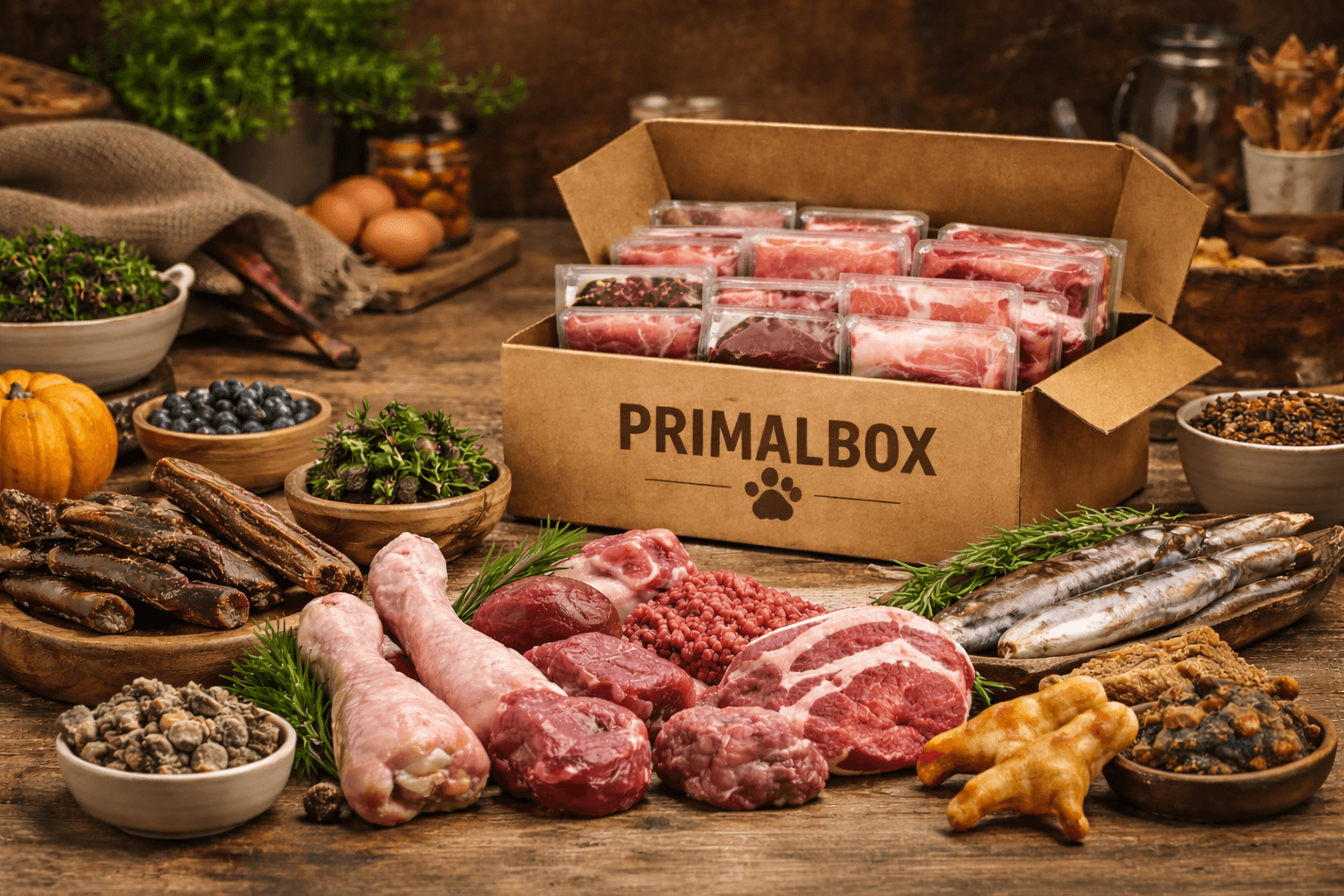
PrimalBox provides customisable raw dog food bundles in human‑grade mince block formats available in 6, 12 and 24 block options, with prices noted from around £15 to £55 and a 10 percent subscription discount. The offering focuses on transparent ingredient sourcing, easy customisation and subscription convenience rather than medical claims. For owners who value clear provenance and regular delivery, these factual features make buying and storing raw food simpler while allowing you to match recipes to your dog’s tastes and household needs.
How Do PrimalBox Products Cater to Different Life Stages and Dietary Needs?
Customisable bundles let you choose proteins and block quantities to better match growth rates, calorie needs and sensitivity management — a practical way to tailor diets for puppies, adults and seniors. While clinical life‑stage formulations should be confirmed with your vet, being able to vary protein sources and choose different bundle sizes helps with allergy management, portion control and preference testing. Product filters or selection tools can steer you to leaner mixes for weight control or higher‑fat mixes for very active dogs; always consult your vet for dogs with medical conditions.
How Much Raw Dog Food Should You Feed Your Dog in the UK?
The simplest way to calculate raw portions is percentage‑of‑bodyweight, adjusted for life stage and activity: a common guideline is 2–3% of bodyweight for growing puppies, about 2% for active adults and 1.5–2% for less active or senior dogs. Use that percentage to convert bodyweight into daily grams, then refine using body condition scoring. The table below gives sample recommendations by dog category, weight and activity to help you work out practical daily amounts.
Use this table as a starting point; the following section explains how to fine‑tune portions over time.
What Are the Recommended Feeding Amounts by Age, Weight, and Activity?
Start from percent‑of‑bodyweight: puppies typically need 2–3% of bodyweight per day split across multiple meals to support growth, active adults around 2% to maintain condition, and older or less active dogs 1.5–2% to avoid excess weight. Convert percent to grams by multiplying bodyweight (kg) by the percentage and then by 1,000 to get daily grams. These are starting recommendations — monitor body condition score and increase for high‑performance dogs or reduce if weight rises. Seek veterinary advice for underweight, overweight or medically complex dogs.
How Can You Adjust Portions for Puppies, Adults, and Senior Dogs?
Make changes gradually using body condition scoring and regular weigh‑ins: increase portions for growing puppies or very active dogs and reduce for ageing dogs with lower metabolic needs, changing intake by 5–10% over 1–2 weeks. For weight loss, reduce daily calories and increase low‑impact activity while keeping protein adequate to preserve lean muscle; for underweight dogs, raise calorie density via higher‑fat mixes or slightly larger portions. Re‑assess after 2–4 weeks and consult your vet if weight issues persist or if you switch diets for medical reasons. These steps keep feeding responsive and safe across life stages.
If you’re ready to try raw feeding, start by choosing a complete product, plan a controlled transition and follow the hygiene steps above. Consider customisable bundle options that match your dog’s life stage, portion needs and freezer space — PrimalBox’s bundle formats are one practical option designed for convenience and transparency.
Conclusion
Switching to a raw diet can improve digestion, coat condition and energy for many dogs when the diet is balanced and handled safely. Know the core ingredients, follow sensible hygiene and transition plans, and use portioning guidelines to tailor feeding to your dog. If you’d like to explore raw feeding further, take a look at our customisable raw food bundles — a straightforward way to get started with clearer ingredients and recurring delivery. Better nutrition starts with a thoughtful meal plan.
Products
-

-
-


One thought on “The Ultimate Guide to Raw Dog Food in the UK”
Pingback: Nourishing Your Puppy: A Step-by-Step Guide to Raw Diets - PrimalBox