Nourishing Your Puppy: A Step-by-Step Guide to Raw Diets
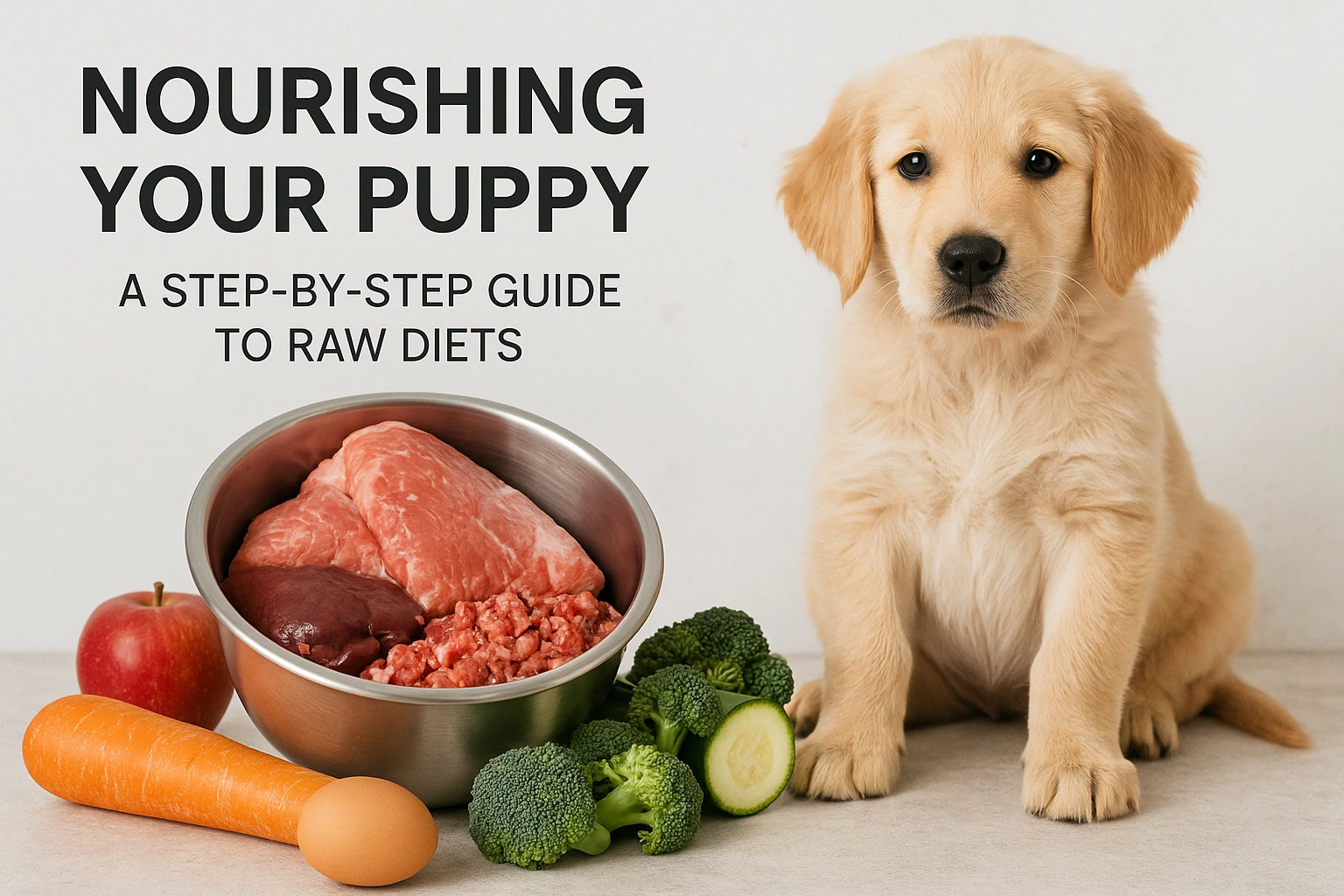
Thinking about feeding your puppy a raw diet, but not sure where to start? You are in the right place. This beginner friendly how to guide will walk you through raw diet for puppies recipes that are safe, simple, and budget mindful. We will keep the science light and the steps clear, so you can feel confident at mealtime.
You will learn what a balanced raw bowl looks like, how to portion by age and weight, and which proteins, bones, organs, and add ins to use. I will show you how to shop, prep, and store ingredients with food safety in mind, plus a gentle transition plan to avoid tummy upsets. You will get a short shopping list and three starter recipes you can make today, along with tips to tweak for picky eaters and growth spurts. I will also flag common mistakes to avoid and when to check in with your vet.
Understanding the Benefits of Raw Diets for Puppies
Raw feeding can be easier on a puppy’s tummy than ultra processed meals. Better digestibility means more nutrients get used and less comes out the other end, so you will usually notice smaller, firmer, less smelly stools. Many new owners also report less gas and more predictable toilet habits within a week or two. Early-life raw feeding has been linked with fewer gut issues later on, with one summary citing Finnish data that puppies raised on kibble were up to 85 percent more likely to develop inflammatory bowel disease as adults. For a quick primer on digestion, stools, skin, and teeth benefits, see this overview of raw diet advantages for dogs and puppies.
Healthy skin and a glossy coat often follow when puppies get intact omega 3 and omega 6 from fresh meats and fish. A beginner friendly balance for raw diet for puppies recipes is 70 to 80 percent muscle meat, 10 to 15 percent soft edible bone for calcium and phosphorus, and about 10 percent organ meats for vitamins and minerals. This supports a supple coat, calmer skin, and bright eyes. Oral health can improve too, since chewing size appropriate raw meaty bones helps mechanically reduce plaque and tartar, and lower starch meals leave fewer residues that feed mouth bacteria. With higher protein and moderate fat, puppies build lean muscle and maintain steadier weight, which shows up as lively play, good stamina, and an easy to feel waist.
Step by step: turn benefits into daily practice
Prerequisites: a healthy puppy, vet approval for raw feeding, and time to transition over 5 to 7 days.
Materials: digital scale, freezer space, clean prep area, puppy safe raw meaty bones, stainless bowls, disinfectant.
- Calculate daily amount. Start at 4 to 10 percent of current body weight, closer to 8 to 10 percent for 8 to 10 week olds, split into 3 to 4 meals.
- Choose balanced meals. Use a complete raw blend or assemble the 70-80-10-10 ratios, adjusting bone for firm but not chalky stools.
- Prep and handle safely. Thaw in the fridge, keep surfaces clean, wash bowls after every meal, and supervise all bone chewing.
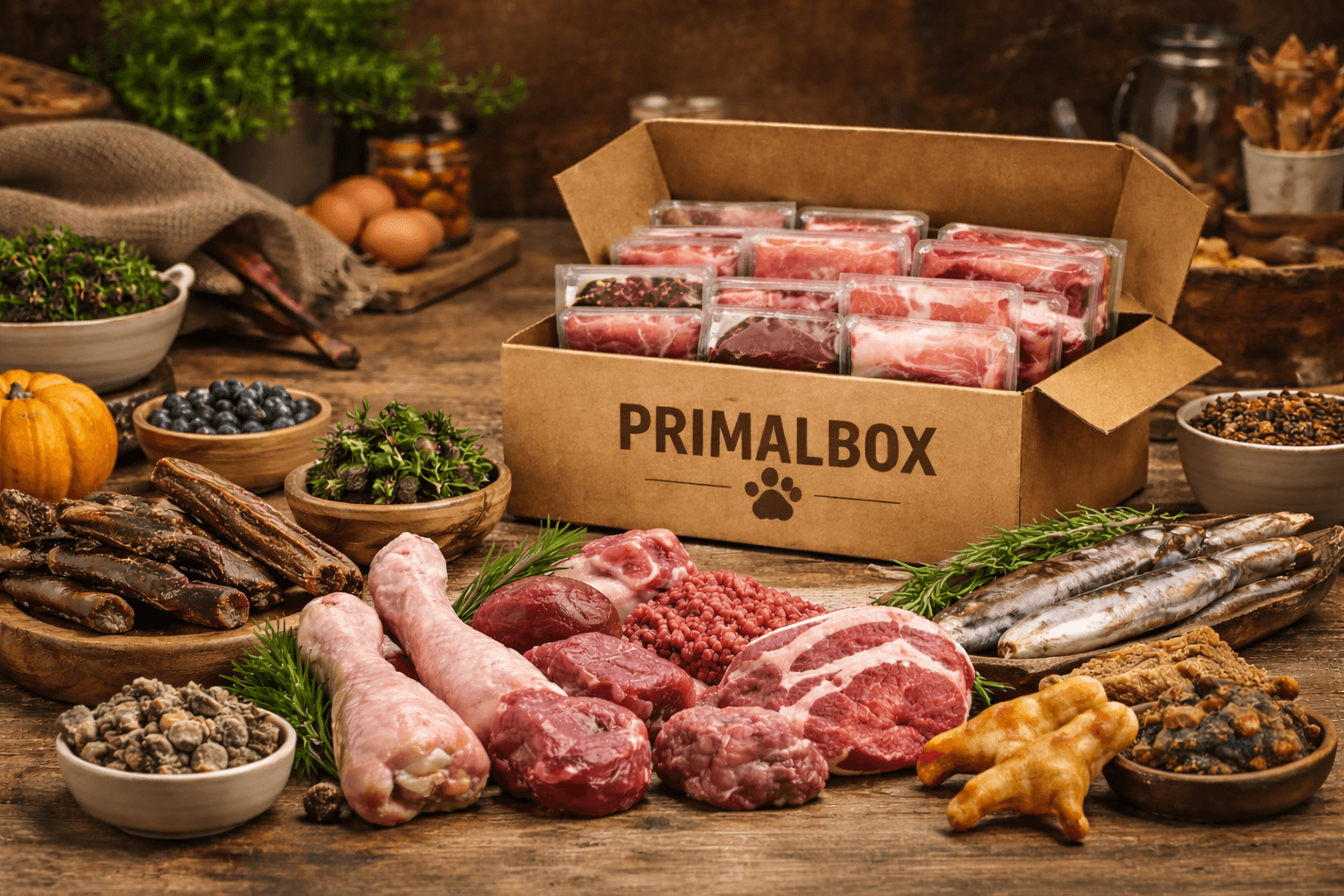
- Track outcomes. In 1 to 3 weeks you should see smaller, firmer stools, a shinier coat, cleaner teeth, steady weight gain, and upbeat energy. For convenience, human grade, additive free options like PrimalBox’s Balanced Ultra Complete, delivered frozen from Birmingham, make staying consistent much simpler.
With these steps, you set your puppy up for better digestion, brighter skin and coat, improved dental health, and a lean, energetic body condition that lasts.
Essential Nutrients for Puppies in a Raw Diet
Puppies are building muscle, bone, and brain tissue every day, so the raw bowl has to do more than fill them up, it must fuel development. A simple target for beginner raw diet for puppies recipes is 70 to 80 percent muscle meat, 10 to 15 percent raw edible bone, and about 10 percent organ meat, which naturally covers many micronutrients. Protein is the headline act for growth, and guidelines for growing pups call for at least 22.5 percent crude protein on a dry matter basis, see the AAFCO minimum protein guideline for puppies. Fats supply dense energy and aid vitamin absorption, while modest carbohydrates can support steady energy and digestion. If you prefer an easier start, PrimalBox’s Balanced Ultra Complete gives you a ready-to-serve base that aligns with these principles.
Before you start
Prerequisites: a vet or nutritionist check for breed and health needs, a digital scale, freezer space, and safe food-handling habits. Materials: human grade muscle meats, soft raw meaty bones like chicken wings or necks, liver plus another secreting organ, a puppy-safe omega 3 source, and a small veg and berry mix. Calculate daily food at roughly 4 to 10 percent of body weight, with 8 to 10 percent common at 8 weeks, then split into 3 to 4 meals.
- Prioritise protein. Use a variety of muscle meats such as chicken, beef, turkey, and lamb. For context, raw beef sits around 14 percent protein per 100 g, see this nutrient chart for classic raw recipes. Include organ protein in the 10 percent organ allocation.
- Layer in fats for growth. Aim for roughly 15 to 30 percent dietary fat using naturally fattier cuts and a measured omega 3 oil. Keep the omega 6 to omega 3 balance sensible, and adjust if stools turn greasy.
- Add modest carbs. Fold in 5 to 15 percent finely chopped veg like spinach, kale, pumpkin, and a few berries for fiber and antioxidants.
- Lock in vitamins and minerals. Use about 5 percent liver and 5 percent other secreting organs for vitamins A and B, see this overview of water soluble vitamins. Include 10 to 12 percent soft raw bones to support calcium and phosphorus balance, supervise chewing, and avoid cooked bones.
- Serve safely. Thaw in the fridge, clean surfaces, and monitor your puppy’s weight, energy, and coat. Chalky stools can mean too much bone, crumbly nails or dull coat can indicate low fat or micronutrients. With consistent portions and sensible variety, you should see steady growth, bright eyes, and playful energy. If time is tight, PrimalBox’s complete meals simplify balancing while you learn, and they arrive frozen for easy storage.
Materials and Equipment Needed
Step-by-step setup
- Source quality, human-grade meats. Look for meats labeled human-grade and processed in inspected facilities, which signals tighter safety controls. For context on what that standard looks like, see this example of USDA human-grade labeling approval. Transparent supply chains and local sourcing, like the practices described in this USDA human-edible facility example, help with traceability and freshness. Whole-animal sourcing, illustrated here as a whole-animal approach, ensures access to muscle meat, edible bone, and organs your puppy needs. If you prefer ready-to-use options, PrimalBox’s human-grade, additive-free selections, such as Balanced Ultra Complete, make raw diet for puppies recipes simpler while you learn.
- Set up cold storage and rotation. Keep raw meats frozen at or below 0 F, minus 18 C, then thaw portions in the fridge below 40 F, 4 C, and use within 24 to 48 hours. Invest in airtight, leak-proof containers, plus masking tape and a marker for labeling cut type and freeze date. Dedicate a refrigerator shelf and a cutting board only for dog food to prevent cross-contamination. Create a small freezer inventory list and use oldest first. The outcome is safe, fresh meals ready on schedule.
- Measure precisely for balance. A digital kitchen scale is non-negotiable for weighing muscle meat, raw edible bone, and organs to the typical 70 to 80 percent meat, 10 to 15 percent bone, and 10 percent organs pattern. For puppies, plan daily portions at roughly 4 to 10 percent of current body weight, then adjust weekly as they grow. Keep measuring cups and spoons for oils or supplements, and pre-portion meals in containers. Record your ratios so you can repeat wins. Expect consistent, balanced bowls that support steady growth.
- Follow strict food safety. Wash hands for 20 seconds before and after handling raw food, and sanitize knives, boards, and surfaces after prep. Use separate utensils for raw and ready-to-eat foods. Thaw only in the fridge, never on the counter, and discard leftovers sitting out over 20 minutes. Feed in stainless steel bowls and clean them in hot, soapy water or a dishwasher after every meal. The result is a safe kitchen and a healthy, happy puppy.
Step-by-Step Guide to Preparing Raw Diets for Puppies
Before you start
Set yourself up for success with simple prep. You will need frozen PrimalBox packs, a digital kitchen scale, sealable containers, a clean board, and a sharp knife. A small blender helps you puree puppy safe veg, and a fridge thermometer confirms storage at 0 to 4 C. Expected outcome: smoother prep, consistent measurements, and safe handling for your first raw diet for puppies recipes.
1. Thaw safely
Place PrimalBox meals in a lidded container and thaw in the refrigerator, keep 0 to 4 C, for 12 to 24 hours; use within 24 to 48 hours as outlined in PrimalBox’s raw feeding guide for UK owners. For a faster option, submerge the sealed pack in cold water, change the water every 30 minutes, then serve immediately, see frozen food thawing best practices. Never thaw on the counter, and never refreeze meat after water thawing. Expected outcome: minimized bacterial growth and preserved nutrients, so your puppy’s bowl stays fresh.
2. Dial in portions
Portion by weight, not by eye. Start with 4 to 10 percent of current body weight daily, with 8 week pups often nearer 8 to 10 percent, split into 3 to 4 meals. Example, a lively 5 kg puppy may eat 400 to 500 g per day; reassess weekly using body condition, ribs just palpable and a visible waist. Expected outcome: steady growth without overfeeding or energy dips.
3. Add fruits and veg
Round out the bowl with 5 to 10 percent finely pureed vegetables and low sugar fruits. Good choices include carrots, green beans, spinach, blueberries, and apple without seeds; avoid grapes, raisins, onions, garlic, and avocado. Lightly steam hardy veg before pureeing to aid digestion. Expected outcome: firmer stools, extra vitamins, and a puppy that enjoys variety.
4. Avoid pitfalls with bones and cuts
Beginners do best with balanced complete minces that include ground bone for calcium and phosphorus, for example PrimalBox Balanced Ultra Complete with British beef and lamb tripe plus free range chicken and vegetables. Skip cooked bones, very hard weight bearing bones, fatty trimmings, and any processed meats; if you offer a raw meaty bone, choose a soft, size appropriate option and supervise. Keep sessions short and watch stools, chalky or crumbly can signal too much bone. Expected outcome: strong development without cracked teeth or tummy upsets; follow safe handling tips for raw frozen diets and disinfect prep areas.
Troubleshooting and Tips for Raw Feeding
Before you begin
Prerequisites: confirm with your vet that a raw plan suits your puppy, record a baseline weight, and snap clear body photos to track shape changes. Materials: frozen PrimalBox packs, a digital kitchen scale, clean containers, a notepad or tracking app, and fridge space for 48 hours of thawed meals. Aim for balanced raw diet for puppies recipes that deliver roughly 70 to 80 percent muscle meat, 10 to 15 percent raw edible bone, and 10 percent organ. Expected outcome: a smooth, data driven transition with steady growth, firm stools, and an easy routine you can maintain.
- Tackle the transition gently Over 7 to 14 days, replace old food in stages, for example 25 percent, 50 percent, 75 percent, then 100 percent raw. Begin with one mild protein like chicken or turkey so you can spot any issues quickly. Monitor stool daily, soft stools are common early on, but watery diarrhea, repeated vomiting, or lethargy requires a vet call. For a structured timetable, see this complete raw transition guide and pace changes with a handy diet change calculator. Expected outcome: within a week you should notice smaller, firmer stools and improved appetite.
- Spot and manage food sensitivities Watch for itchy skin, ear gunk, paw licking, excess gas, or recurring loose stools after a new protein. Run an elimination approach, feed one protein for 10 to 14 days before adding the next, then wait another week to confirm tolerance. If signs appear, remove the last addition and try a different single protein. Expected outcome: a shortlist of well tolerated proteins you can rotate confidently.
- Adjust portions as your puppy grows Puppies typically eat 4 to 10 percent of body weight per day, higher for very young pups. As a guide, an 8 week old often needs 8 to 10 percent; a 6 kilogram pup may eat 360 to 480 grams daily, divided into 3 to 4 meals. Weigh weekly and tweak by 5 to 10 percent based on body condition, a visible waist and easy to feel ribs are your targets. Chalky, crumbly stools suggest too much bone; soften by reducing bone content and increasing meat.
- Keep a consistent schedule Feed at the same times each day, most puppies thrive on 3 to 4 meals until 6 months, then 2 to 3. Serve meals slightly cool or room temperature, never hot, and always offer fresh water. Avoid free feeding so you can track intake and predict toilet breaks. Expected outcome: calmer mealtimes, regular digestion, and easier house training.
Conclusion: The Path to Healthier, Happier Puppies
Raw feeding can deliver visible wins for puppies, from easier digestion and reduced stool volume to shinier coats and brighter energy. When you follow raw diet for puppies recipes, keep the bowl balanced, roughly 70-80% muscle meat, 10-15% raw edible bone, and 10% organ, to support the calcium to phosphorus needs of growing bones. For portions, most pups eat 4-10% of body weight daily, with eight-week-old pups nearer 8-10% before tapering. Chewing meaty bones also supports cleaner teeth, and emerging research points to healthier metabolic markers.
Quick next steps
PrimalBox makes this practical with tailor-made, human-grade recipes like Balanced Ultra Complete, so you can focus on consistency instead of calculations. Quick next steps: 1) Prerequisite, speak with your vet to personalise portions by breed size and growth rate. 2) Materials, use a digital scale, clean containers, and frozen PrimalBox packs. 3) Portion 4-10% of current weight, starting higher for very young pups, then recheck every 7 days. 4) Hygiene, thaw in the fridge, sanitise prep areas, and reduce pathogen risk. Expected outcomes include steady weight gain, low-odor stools, a glossier coat, and cleaner teeth.
Products
-

-
-