


Transitioning to a Raw Feeding Diet Plan for Dogs
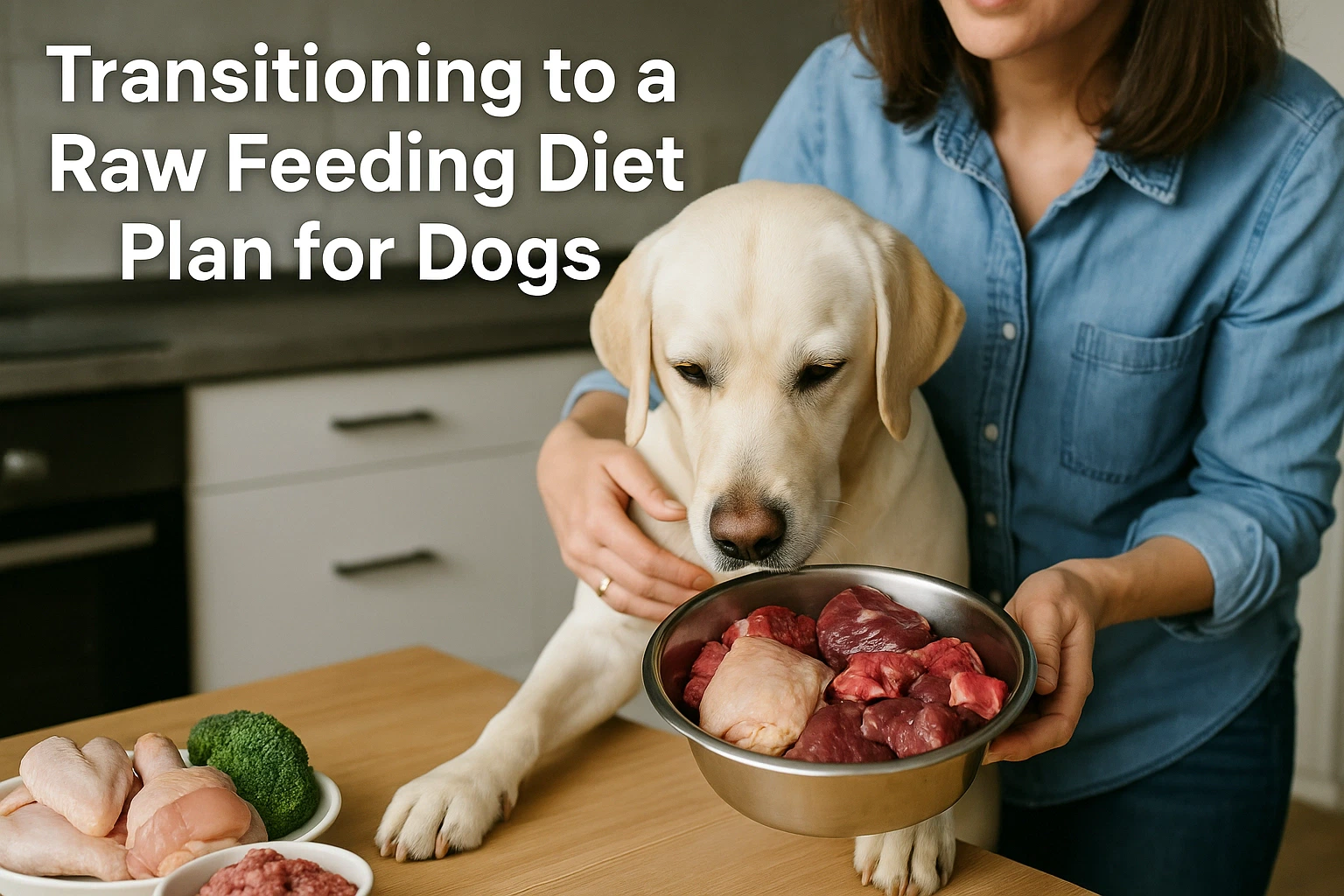
Thinking about swapping kibble for fresh, real ingredients? A raw feeding diet plan can be a safe, balanced option when you understand the fundamentals. Many beginners worry about nutrient balance, bacteria, and portion sizes. Those concerns are valid. With clear steps, proper hygiene, and evidence-based guidelines, you can transition your dog with confidence.
In this how-to guide, you will learn exactly how to build and introduce a raw feeding diet plan, from selecting proteins and meaty bones to adding the right amount of organs and fiber. You will get straightforward formulas for portion sizes, tips for sourcing quality ingredients, and food safety routines that protect both your dog and your kitchen. We will cover a gradual transition schedule, signs of progress, and red flags that mean you should pause and adjust. You will also learn how to work with your veterinarian, how to avoid common mistakes, and when to use supplements for complete nutrition. By the end, you will have a clear, practical plan tailored for beginners, and a safer path to fresh feeding.
Understanding the Raw Feeding Diet
What raw feeding means
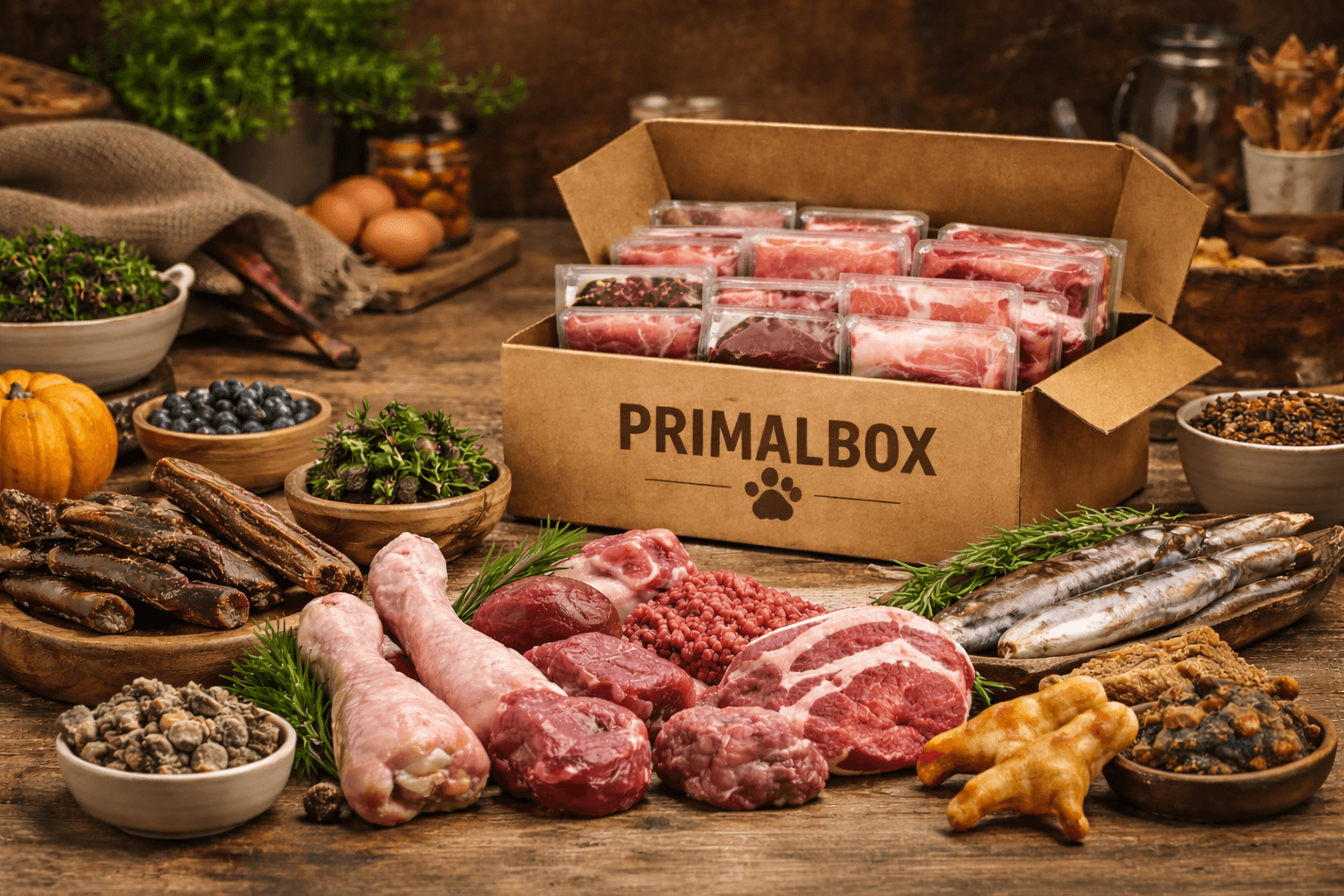
Raw feeding gives dogs uncooked animal ingredients that mirror a prey-based diet. A raw feeding diet plan combines raw meat for essential amino acids, raw edible bones for calcium and phosphorus, and organs like liver, kidney, and heart for vitamins and trace minerals. Select soft, non weight bearing bones like chicken necks or ribs. Commercial complete, human grade mixes delivered frozen, such as PrimalBox complete blends, remove guesswork and maintain consistent nutrition.
Benefits you can expect
Reported benefits include improved digestion, smaller, firmer stools, and less gas, supported by the absence of fillers and processing improved digestion and smaller, firmer stools. High moisture supports better hydration than dry foods. Natural fats and omega rich ingredients often yield shinier coats and calmer skin. Chewing meaty bones provides mechanical abrasion that limits calculus, supporting teeth and gums chewing raw bones may reduce plaque and support oral health.
Risks and how to mitigate them
Risks center on pathogens such as Salmonella and Campylobacter, nutrient imbalance, and bone injuries. Veterinary bodies caution about human exposure, and one survey of commercial raw foods found contamination in up to 86 percent of samples. Mitigate by freezing, thawing in the refrigerator, feeding from a designated surface, washing hands and tools, and storing below minus 18 degrees Celsius. Avoid feeding to immunocompromised people or pets. Prevent imbalance by using complete formulas or consulting a veterinary nutritionist. Minimize injury by choosing appropriately sized, soft bones and supervising every chew.
Prerequisites: current weight, condition score, freezer space, containers. Materials: complete raw meals, digital scale, stainless bowls, disinfectant.
- Feed 2 to 3 percent of ideal body weight per day. 2) Transition over 5 to 7 days, 25-50-75-100 percent raw. 3) Start with one protein; add organs and bones after stools are normal for 48 hours. 4) Bones max 10 percent; supervise. 5) Track stool, coat, weight weekly; adjust portions by 10 percent. Expected outcomes: firmer stools, cleaner teeth, glossier coat in 2 to 3 weeks.
Essential Materials for a Raw Feeding Diet
Prerequisites and materials
- Confirm your dog’s current weight, body condition score, and daily calorie target so your raw feeding diet plan can be portioned accurately. 2. Secure cold storage, a dedicated freezer set at -18°C for bulk meats and a refrigerator at 0 to 4°C for safe thawing. 3. Assemble tools, a precise digital scale that reads to 1 g, BPA-free airtight freezer containers or pouches, permanent labels, color-coded cutting boards, sharp knives or shears, stainless steel bowls, food-grade gloves, and a food-safe disinfectant. 4. Create an inventory system, label portions by protein and date, and track a two to four week supply to avoid stockouts. 5. Expected outcome, accurate portions, minimal waste, and a hygienic prep space that supports consistent results and easier compliance with nutrition targets. For an additional beginner-friendly checklist, see the Free Raw Feeding Guide.
Sourcing quality ingredients
- Start with complete, human-grade formulations to simplify balancing, for example PrimalBox’s Balanced Ultra Complete, which blends British Beef and Lamb Tripe with Free-Range Chicken and vegetables for all-life-stage suitability. 7. Choose additive-free recipes with transparent protein sourcing, then verify batch codes and use-by dates on arrival. 8. Order in frozen form and plan deliveries to maintain a continuous cold chain, an approach that preserves nutrients and keeps stools firm by avoiding temperature abuse. 9. Expect benefits tied to quality raw diets, higher moisture that supports hydration compared with dry foods, and naturally robust protein and enzyme profiles that aid digestion. 10. For first-time feeders, buy a 2 to 4 week supply to learn your dog’s ideal portion size before scaling up.
Safe storage and handling
- On delivery, ensure products are rock solid and immediately freeze, then use first-in, first-out rotation to prevent waste. 12. Thaw portions in the refrigerator within a sealed container on the lowest shelf for 12 to 24 hours, never at room temperature, and do not refreeze thawed meals. 13. Wash hands for 20 seconds before and after handling, sanitize knives, boards, and surfaces, and keep raw prep tools separate to limit Campylobacter and similar pathogen risks. 14. Serve in clean bowls, discard uneaten food after 30 minutes, and wash bowls with hot soapy water after each meal. 15. Expected outcome, preserved freshness, reduced contamination risk, and consistent nutrient integrity from freezer to bowl.
Step-By-Step Guide to Transitioning to Raw Feeding
Prerequisites, materials, and expected outcomes
Before you begin, set a clear raw feeding diet plan with daily calorie targets from the previous section, then prepare practical transition tools. You will need a digital kitchen scale for precise portions, sealable containers for mixing old and new foods, separate utensils for raw handling, and a transition log to record stool quality, appetite, and weight. Keep nitrile gloves and a pet-safe disinfectant for surface hygiene, since raw meat can carry pathogens such as Campylobacter, and always thaw in the refrigerator. Expected outcomes over the first two weeks include progressively firmer stools, steady appetite, and normal energy levels; raw’s higher moisture content can also support better hydration compared to kibble. If your dog has a medical condition or is on medication, coordinate the plan with your veterinarian.
Step-by-step transition schedule
- Days 1 to 2: feed 25 percent PrimalBox raw with 75 percent current food. 2) Days 3 to 4: move to a 50 to 50 mix. 3) Days 5 to 6: increase to 75 percent raw. 4) Day 7 onward: progress to 100 percent raw if stools remain well formed and your dog is comfortable. This cadence aligns with the guidance in the PrimalBox FAQ. Introduce PrimalBox’s complete recipes in small amounts, beginning with a single protein such as chicken, then diversify once stools are consistently firm.
Portioning and handling for success
Start adults at 2 to 3 percent of body weight per day, split into two meals; adjust by 10 percent increments based on body condition and activity. Puppies typically require more frequent meals, so scale within your puppy plan from the previous section. Choose a complete option such as the Balanced Ultra Complete or a customisable raw dog food box and defrost in the fridge for 12 to 24 hours. Keep defrosted portions chilled and use within 48 hours. Clean bowls and prep areas after every meal to reduce contamination risk.
Monitor and adjust
Track stool on a 1 to 7 scale, with 2 to 3 indicating ideal firmness; soften stool suggests slowing the schedule. Expect slightly smaller, less smelly stools as digestion efficiency improves. Watch hydration, raw diets are moisture rich so water intake may drop, but urine should remain pale. If appetite dips, energy falls, or diarrhea persists beyond 48 hours, revert one step and proceed more gradually or consult your vet. For additional troubleshooting, see this step-by-step transitioning guide.
Balancing the Nutritional Needs of Your Dog
Prerequisites and materials
Before you balance a raw feeding diet plan, record weight and body condition, and note any vet guidance. Prepare a kitchen scale, freezer space, stainless bowls, portion tubs, and disinfectant. Expected outcomes are steady energy, firm stools, and ideal weight. Track meals and weight weekly so adjustments are data led.
Why balance matters
Balanced nutrition centers on protein for muscle repair, fat for energy, and micronutrients for metabolic health. Target roughly 8 to 15 percent fat DM, adequate calcium and phosphorus from raw edible bone, and vitamins from liver and other secreting organs. Raw style foods often deliver higher moisture for hydration; see this fish and pork nutrient profile and this pork patty analysis. This keeps essential needs covered.
Step by step, adjust meals by age and breed
- Calculate intake. Adults 2 to 3 percent of body weight. Puppies 2 to 3 percent of expected adult weight split into 3 to 4 meals. Seniors start near 2 percent.
- Set composition. About 70 to 80 percent muscle meat, 10 percent raw meaty bone, 10 percent secreting organs, at least half liver. Optional 5 to 10 percent low glycemic vegetables.
- Tailor fats. Lean dogs closer to 12 to 15 percent fat dry matter; overweight dogs 8 to 10 percent.
- Adjust for breed and work. Large breed puppies keep calcium to phosphorus around 1.2 to 1.4. Working dogs raise calories 10 to 20 percent on training days.
- Monitor outcomes weekly. Ribs palpable with light cover, visible waist, firm stools. If weight changes over 5 percent in two weeks, adjust portions by 10 percent.
PrimalBox options that meet these needs
PrimalBox makes balancing simple with human grade, additive free meals delivered frozen from Birmingham. The Balanced Ultra Complete, featuring British beef, lamb tripe, free range chicken, and vegetables, suits all life stages. For puppy targets, review this example puppy nutrient profile and apply the same principles. Ask your vet to personalise if needed.
Troubleshooting Common Raw Feeding Challenges
Even with a solid raw feeding diet plan, beginners often meet two hurdles: picky eating and gastrointestinal upset. Most cases respond to simple adjustments in presentation, variety, and pacing. Raw diets can be easier to digest, supporting smaller stools and better nutrient uptake improved digestion and nutrient absorption. Higher moisture aids hydration, yet abrupt changes, overfeeding, or unbalanced bone to organ ratios can cause loose stools, vomiting, or constipation. Protect your household with strict hygiene, keep food frozen until use, thaw in the fridge, and disinfect prep areas.
Prerequisites and materials
Record baseline weight, body condition, stool quality, appetite, and activity. Gather a digital kitchen scale, stainless bowls, freezer space, a lidded thawing container, food-safe gloves, surface disinfectant, a plain probiotic, and 100 percent pumpkin. Start with a single-protein complete raw meal so calcium and organ levels are correct. Aim for fixed feeding windows, remove leftovers after 20 minutes, and expect formed, chocolate-brown stools within the first week.
Step-by-step fixes for common issues
- Transition. Start at 25 percent raw for 2 to 3 days, then 50 percent, then 75 percent, advancing only when stools are stable.
- Boost appeal. Serve at room temperature, set the bowl over warm water for aroma, and rotate proteins every 3 to 5 days.
- Set frequency. Adults twice daily; puppies three to four times daily to reduce digestive load.
- Correct stools. If loose, cut rich organs and fat, add 1 tsp pumpkin per 10 kg, pause progression. If hard, reduce bone, add a splash of water, and more boneless meat.
- Support the gut. Add a canine probiotic for 5 to 10 days, keep post-meal activity gentle, and maintain meticulous hygiene.
Reading the results
Expect visible progress in 7 to 14 days. Success looks like brighter energy, keener focus, smaller firmer stools, less gas, and improved hydration. With appropriate raw chewing, many dogs also show cleaner teeth over time, consistent with evidence of less calculus in raw-chewing contexts less calculus formation and better oral health. If vomiting persists, stool contains blood, or weight drops despite adequate calories, pause changes and consult your veterinary professional.
Key Tips for Maintaining a Raw Feeding Diet
Prerequisites and materials
Confirm your dog’s current and ideal weight, then set a daily target in your raw feeding diet plan. Prepare a digital kitchen scale, freezer space for frozen deliveries, stainless steel bowls, and sealable containers for defrosting. Stock a variety of PrimalBox options, including Balanced Ultra Complete and customisable boxes featuring chicken, beef, lamb, duck, oily fish, and tripe. Book a baseline veterinary appointment to record body condition score, dental status, and any allergies.
Step-by-step
- Lock in timing and portions. Feed adults 2 to 3 percent of ideal body weight per day, split into two meals at consistent times. A 20 kilogram adult at 2.5 percent receives 500 grams daily, 250 grams at 8 a.m. and 250 grams at 6 p.m. Puppies generally need 5 to 10 percent based on age and activity, reassess weekly and adjust by 5 to 10 percent to keep ribs palpable and waist visible.
- Schedule veterinary checkpoints. Recheck 4 to 6 weeks after starting, then every 6 to 12 months, or sooner for puppies. Ask for a diet review, weight trend, complete blood count, and fecal testing including screens for parasites and Campylobacter. Your clinician can fine tune calcium to phosphorus, omega 3 from oily fish, and address hygiene practices.
- Rotate PrimalBox proteins to sustain interest and coverage. Alternate chicken, beef, lamb, tripe, duck, and oily fish weekly, and include Balanced Ultra Complete to simplify balance. Rotation broadens micronutrients, for example zinc and iron from beef plus EPA and DHA from oily fish, and helps picky eaters stay engaged. Log preferences and stool quality in a feeding diary.
Expected outcomes
With consistent timing and precise portions, most dogs show firm stools, steady energy, and healthy body condition. Higher moisture in raw meals supports better hydration than dry foods, and reduced calculus often accompanies chewing meaty textures. Variety prevents boredom while supporting skin and coat quality. Regular veterinary oversight reduces the small but real food safety risks and keeps your plan on track.
Conclusion and Next Steps
Transitioning to a raw feeding diet plan can deliver tangible wins, from improved digestion and nutrient absorption to better hydration thanks to higher moisture than kibble. Early signs often include smaller, firmer stools and less breath odor, while studies report reduced calculus formation and shinier coats over several weeks. Many UK owners choose raw for its natural profile, yet safe handling is critical since raw meat can carry pathogens. Commit to a measured approach, track body condition, and give 4 to 8 weeks for the full picture. For reliable, human-grade supply and simpler management, PrimalBox delivers additive-free recipes, including Balanced Ultra Complete with British Beef and Lamb Tripe with Free-Range Chicken and Vegetables, frozen from Birmingham to your door.
- Prerequisites: confirm weight, calorie target; consult vet if immune-compromised household is present.
- Materials: digital scale, freezer space, stainless bowls, sanitizer, fridge thermometer at 0 to 4 C.
- Days 1 to 7: mix old:new 75:25 to 25:75, adjust pace if loose stools occur.
- Portion protein rotation weekly, monitor stools and energy; expect firmer stools within 3 to 10 days.
- Order a 2 to 4 week PrimalBox plan, set reminders, reweigh every 2 weeks to refine portions.
Products
-

-
-


6 thoughts on “Transitioning to a Raw Feeding Diet Plan for Dogs”
Pingback: Comparing Raw Dog Food Delivery Options - PrimalBox
Pingback: Exploring Raw Food Options for Dogs - PrimalBox
Pingback: How to Transition Puppies to a Raw Food Diet - PrimalBox
Pingback: Comparing Leading Frozen Dog Meat Suppliers - PrimalBox
Pingback: The Ultimate Guide to Easy Raw Food Diets for Dogs - PrimalBox
Pingback: Nourishing Your Puppy: A Step-by-Step Guide to Raw Diets - PrimalBox