How to Transition Puppies to a Raw Food Diet
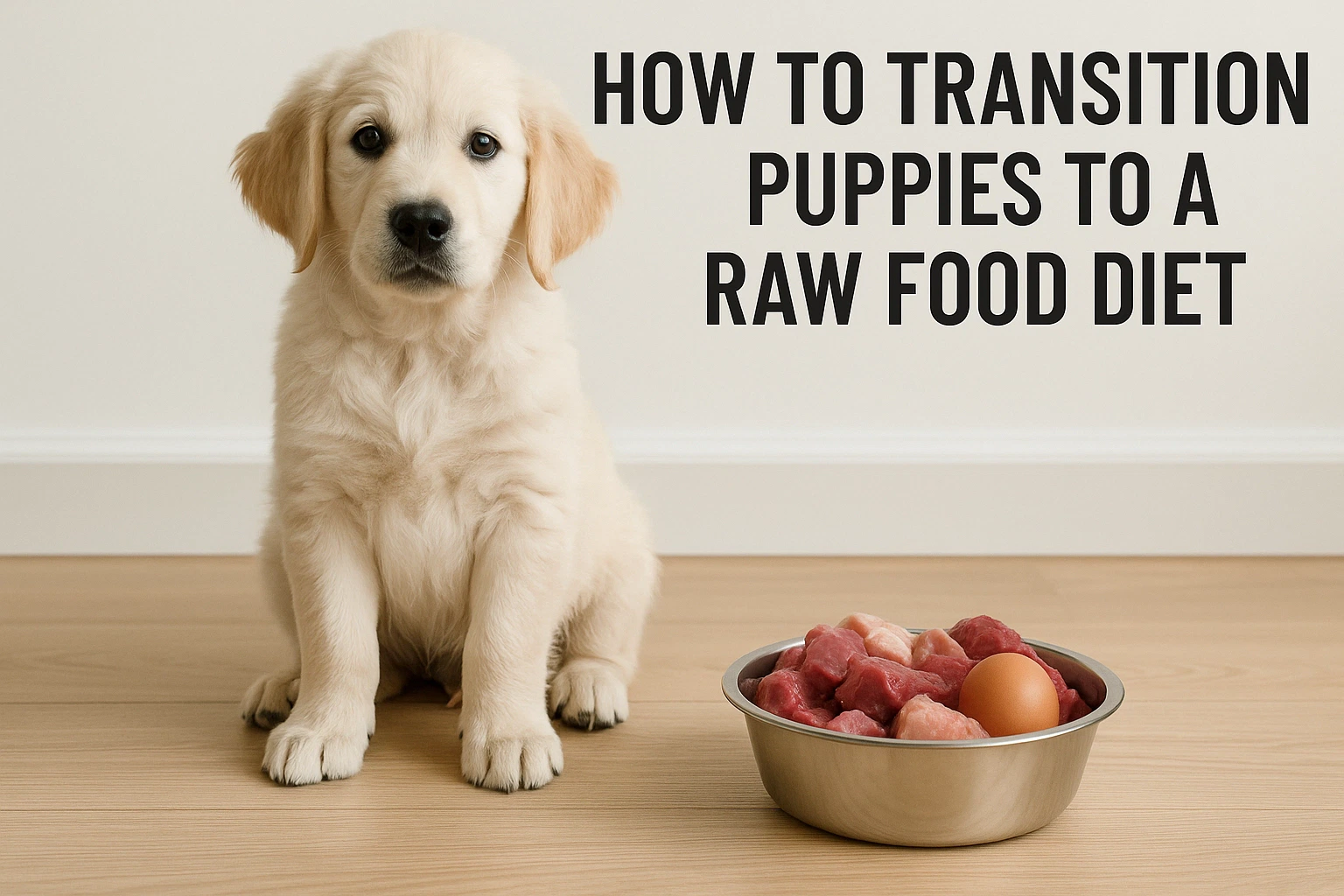
Curious about feeding your puppy raw but nervous about getting it right? You are not alone. Switching to a raw diet can feel confusing at first, especially with a growing pup who needs the right balance to thrive. The good news is that with a clear plan and a few simple rules, you can make the transition smooth, safe, and enjoyable.
In this beginner friendly how to, you will learn what raw feeding actually means, how to choose the right proteins, and how to balance meals so your puppy gets complete nutrition. I will walk you through a gradual transition schedule that protects sensitive tummies, portion sizes based on age and weight, and food safety tips you can trust. You will also get easy raw food diet recipes for puppies that use common ingredients, plus shopping and prep tips to save time.
By the end, you will know exactly how to start, how to spot and fix common hiccups, and when to check in with your vet. Ready to build healthy habits from the bowl up? Let’s get your pup started the right way.
Prerequisites and Materials
Step-by-step checklist
- Understand your puppy’s nutritional needs. As a starting point for raw food diet recipes for puppies, feed 4 to 6 percent of current body weight per day. For example, a 5 kg pup at 5 percent eats about 250 g daily, split into 3 to 4 meals to aid digestion. Very young or toy breeds may sit near the top of that range, then taper as they mature. For age-based ranges and transition tips, see this vet-approved guide to puppy raw feeding percentages. Expected outcome: steady growth, good energy, and firmer stools.
- Calculate the calcium to phosphorus ratio. Aim for a 1:1 to 2:1 Ca:P ratio to support healthy bones and joints. A simple method is to include 10 to 15 percent raw edible bone in the daily ration, plus organ meats for phosphorus. Example for a 250 g day: about 30 g raw meaty bones, 10 g liver, 10 g kidney, with the remainder muscle meat. Reassess body condition and adjust bone slightly if stools become too hard or too soft. Expected outcome: sound skeletal development and consistent stool quality.
- Gather raw feeding essentials. Use a digital kitchen scale accurate to 1 g for precise portions. Portion meals into food-grade containers or freezer-safe bags, label dates, and store at or below minus 18 C. Keep a dedicated cutting board and knives for raw prep, plus gloves and a pet-safe disinfectant to reduce bacterial risk. Arrange freezer space for at least 1 to 2 weeks of meals. Expected outcome: safe, efficient prep with minimal cross-contamination.
- Purchase quality ingredients and smart supplements. Choose human-grade chicken, beef, lamb, or turkey, starting with a single protein for the first 7 to 10 days to keep digestion calm. Add dog-safe vegetables, finely minced or pulped, such as carrot, spinach, or broccoli at 5 to 10 percent of the bowl. Include organs at about 10 percent total, and small oily fish once or twice weekly. Provide omega-3 support with fish oil at roughly 50 to 100 mg combined EPA+DHA per kg body weight daily, plus a probiotic during transition. Expected outcome: a balanced bowl that supports skin, coat, and gut health.
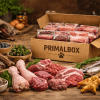
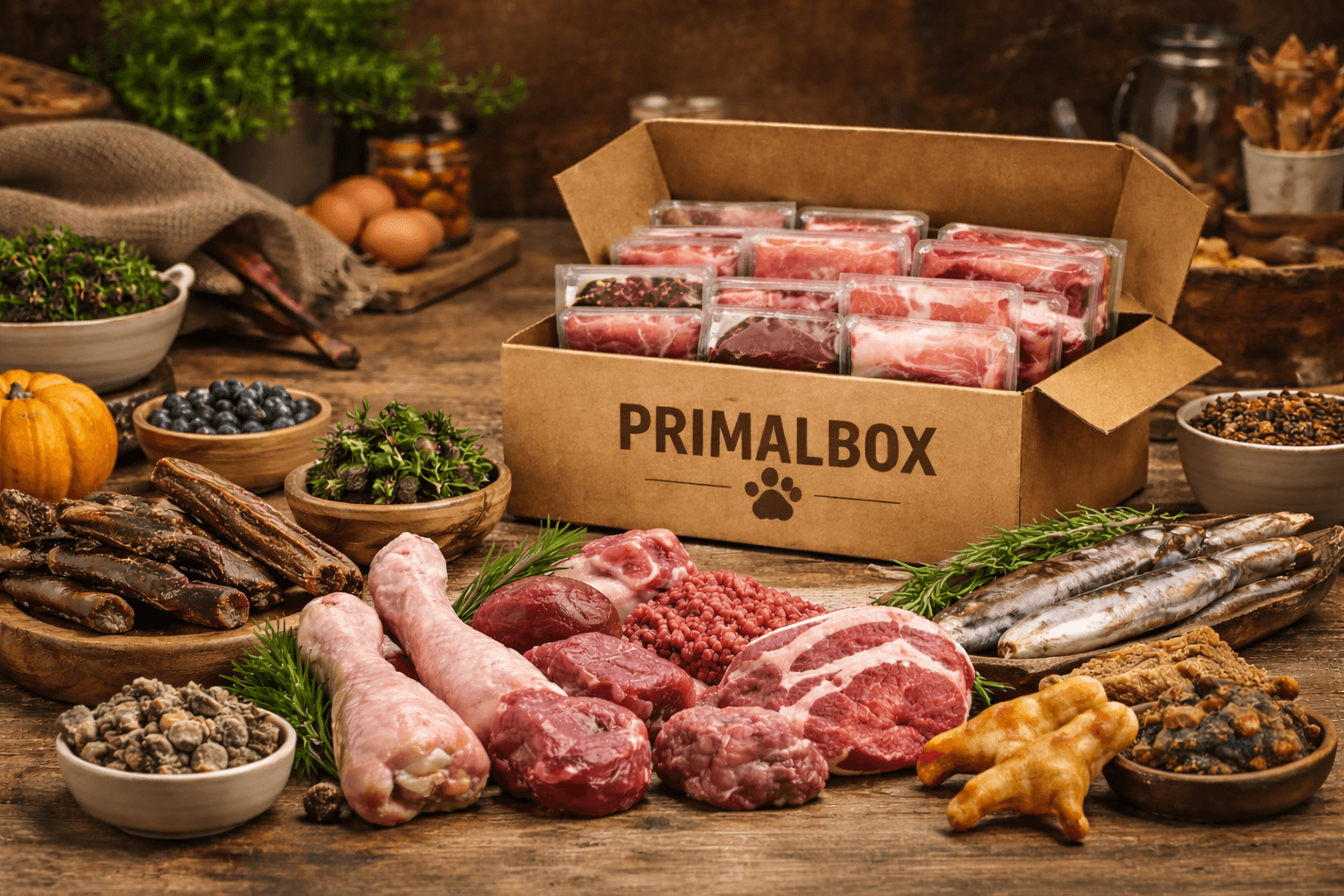
- Include PrimalBox’s Balanced Ultra Complete for variety and ease. This human-grade, additive-free mix blends British Beef and Lamb Tripe with Free-Range Chicken and vegetables, delivered frozen from Birmingham for hassle-free storage. Use it as a nutrient-dense base for 70 to 80 percent of meals, then rotate proteins weekly to broaden micronutrient exposure. Pair with measured organs and bones if needed to hit your targets. Explore convenient options via the PrimalBox customisable raw dog food box. Expected outcome: simpler planning, consistent nutrition, and less guesswork as you scale portions.
Step-by-Step Transition Process
Weeks 1 to 4: Ratios that keep tummies happy
- Week 1, start simple. Replace 25 percent of each meal with raw and keep 75 percent as your puppy’s current diet. If your pup eats 1 cup per meal, that is 0.25 cup raw plus 0.75 cup current food, an easy ratio that is gentle on the gut. This pacing is widely recommended for beginners and helps prevent sudden digestive upsets. For a handy reference, see this concise guide to starting at 25 percent raw Raw Food 101 step-by-step guide. 2) From Week 2 onward, add roughly 10 percent more raw each week, for example 35 percent, then 45 percent, until you reach 100 percent raw. This slow progression is a proven way to minimize GI stress step-by-step transitioning advice.
Monitor, balance, and bones
- Watch your puppy’s stool and energy daily. Firm, log-shaped stools and steady playfulness are green lights. If you see loose stools, mucus, vomiting, or a dip in energy, pause, return to the previous ratio for 48 hours, then proceed more gradually. 4) Build toward balanced raw food diet recipes for puppies by introducing components one at a time. Begin with a single protein such as chicken for 7 to 10 days, then add a second protein like beef or lamb. Fold in organs slowly, with liver around 5 percent of the bowl and other secreting organs similar in amount, and introduce raw meaty bones sized to your puppy, for example chicken wings or necks, always under supervision. PrimalBox’s human-grade blends, including Balanced Ultra Complete, make this easier by combining British beef, lamb tripe, free-range chicken, and vegetables in ready-to-portion packs.
Fine-tune portions and routine
- Adjust amounts based on weight, growth spurts, and activity. Use body condition as your guide, ribs easily felt but not prominent, a visible waist from above, and a tummy tuck from the side. If your baseline is 300 grams per day, a lively week of training might warrant 330 to 345 grams, while a quieter week may sit closer to 270 grams. Feed young puppies 3 to 4 meals daily to support steady energy. Keep fresh water available, thaw meals in the fridge, and sanitize bowls and prep areas to keep your pup safe as you transition.
Raw Food Diet Recipes for Puppies
Making raw food diet recipes for puppies can be simple and safe. Start with one protein so tiny tummies adjust smoothly. Keep bowls spotless, store cold, and portion using your plan. Expect better digestion, cleaner teeth, and glossier coats, then try these two beginner friendly recipes.
Recipe 1: Chicken and Veggie Delight with free-range chicken
Materials: 450 g free range chicken with ground bone, 60 g chicken liver, carrot, kale, apple, 1 tbsp coconut oil, 1 tsp cod liver oil, 1 tsp ground flaxseed, 1 tsp kelp. 1) Mix chicken, bone, and liver until evenly combined. 2) Fold in the finely chopped carrot, kale, and apple. 3) Stir through coconut oil, cod liver oil, flaxseed, and kelp. 4) Portion into daily servings and chill or freeze. Benefits include quality protein for muscle, DHA for brain and vision, fiber for stool quality, and iodine for thyroid health.
Recipe 2: Beefy Lamb Meal featuring lamb tripe
Materials: 450 g grass fed beef with ground bone, 60 g lamb tripe, squash, broccoli, blueberries, 1 tbsp fish oil, 1 tsp apple cider vinegar, 1 tsp ground pumpkin seed, 1 tsp parsley. 1) Combine beef and bone with tripe to a uniform mince. 2) Fold in the chopped veg and berries. 3) Add fish oil, vinegar, pumpkin seed, and parsley, then mix thoroughly. 4) Portion and store as above. Benefits include complete amino acids for growth, probiotics from tripe for gut health, omega 3s for cognitive development, and antioxidants for immune support.
Incorporating offal and a time-saving pro tip
Use offal smartly, aim for about 10 percent raw edible bone, 5 percent liver, and 5 to 10 percent other secreting organs across the week. Keep liver near 5 percent to avoid excess vitamin A, and treat heart as muscle meat that adds taurine. Tripe brings gentle enzymes and beneficial microbes for digestion. On busy days, choose PrimalBox’s human grade, additive free formulas, including British beef and lamb tripe with free range chicken and vegetables. Set up the customisable raw dog food box subscription, thaw, portion, and serve, then rotate with your DIY meals for reliable variety and firm stools.
Benefits of Raw Feeding for Puppies
Raw feeding often brings calmer tummies and smaller, firmer poos. Fresh meat and bone are highly digestible, so puppies absorb more and leave less, which usually means less odour and gas. Studies on raw diets also note stool changes, like lower faecal lactic acid and higher isovalerate, patterns linked to firmer output. For a beginner friendly explainer, read this guide to raw feeding benefits.
Natural chewing is your puppy’s built in toothbrush. Offer soft, puppy friendly raw meaty bones, such as poultry wings or lamb ribs sized to your pup, to scrape teeth and freshen breath. Always supervise, choose pieces larger than the muzzle, and never feed cooked bones. Two short chew sessions per week can reveal cleaner gum lines within a month. See this raw diet dental health overview.
Shinier coats and calmer skin often follow the jump in amino acids, zinc, and essential fats from fresh meat, tripe, and small oily fish. Many new feeders report less itching by week three and a healthy sheen. Because meals are unprocessed and filler free, puppies tend to show steadier energy and sharper focus in training. These changes point to better nutrient availability and a diet puppies are built to digest.
Planned well, raw feeding can be kind to your budget. Predictable, balanced meals reduce last minute buys, and better oral and digestive health may mean fewer vet visits. Regular frozen deliveries from PrimalBox, prepared in Birmingham, help you portion a month at a time and cut waste. Complete options like the Balanced Ultra Complete also save prep time.
Simple steps to lock in these benefits
Prerequisites: freezer space, a kitchen scale, clean prep habits, vet approval for a raw transition.
Materials: balanced raw meals, puppy safe raw meaty bones, stainless bowls, fridge containers.
- Pick one protein for 7 to 10 days and log stools, breath, and skin daily.
- Add two supervised chewing sessions weekly with soft bones sized to your pup, then clean bowls and surfaces right away.
- Set a recurring delivery, portion a week ahead, and note coat shine and energy weekly to confirm progress.
Tips for Troubleshooting Common Issues
Before you troubleshoot, set up for success
Have a clean prep area, a digital kitchen scale, stainless steel bowls, a fridge thermometer, and plenty of freezer space ready. Keep a notebook to log proteins, portions, stool quality, and any changes in energy or skin. If you use a complete puppy blend from PrimalBox, such as Balanced Ultra Complete, you simplify organ, bone, and veg balance while you troubleshoot. Expected outcome: fewer variables to chase, faster course corrections, and steady, comfortable digestion.
Step-by-step fixes for common hiccups
- Spot tummy trouble early and reset calmly. Watch for loose stools, vomiting, burping, or excessive gas, plus lethargy that persists beyond 24 hours. Reduce to smaller, more frequent meals and pause new ingredients until stools are firm. Slow the transition and give the gut time to adapt with the help of these gradual 7 to 14 day transition tips. Consider adding a puppy-safe probiotic during changes, as outlined in this guide to probiotics during transition, and keep fresh water available at all times.
- Coach picky eaters with gentle variety. Offer one new protein at a time for three to four meals so you can spot preferences and sensitivities, a strategy reinforced here on introduce one ingredient at a time. Warm the aroma by placing the sealed portion in lukewarm water for a few minutes, never cook raw meaty bones. Keep meal times consistent, limit between-meal treats, and use calm praise when your puppy eats. Expected outcome: growing acceptance of raw food diet recipes for puppies without mealtime standoffs.
- Prevent nutrient gaps before they happen. Puppies need appropriate calcium to phosphorus balance plus essential vitamins from liver and other secreting organs. If you prepare meals yourself, cross-check that muscle meat, raw edible bone, and organ are present in correct proportions for growth. Using a complete PrimalBox puppy-friendly blend helps cover bases while you learn. Monitor weight every two weeks, aim for visible waist with no ribs protruding, and adjust calories as activity increases.
- Handle and store raw like a pro. Keep products frozen at or below minus 18 Celsius, thaw in the fridge below 4 Celsius, and use thawed meals within 24 to 48 hours. Sanitize boards, knives, and bowls after every feed, and keep children away during prep to reduce pathogen exposure. Discard uneaten raw food after 20 to 30 minutes, especially in warm rooms. On delivery day, move packs straight to the freezer and rotate stock so older packs are used first.
- Partner with your vet for growth check-ins. Schedule visits every 4 to 6 weeks in the rapid growth phase to review body condition, teeth, coat, and stool. Bring your food log so your vet can suggest precise tweaks, such as a 10 to 20 percent calorie adjustment during growth spurts. Ask about fecal testing, deworming, and whether a probiotic or omega 3 support is suitable. Expected outcome: confident adjustments that keep development on track while minimizing digestive bumps.
Conclusion and Key Takeaways
Gradual is the magic word for raw feeding success. Move your pup to raw in small, steady steps and start with a single protein so the gut can adapt. Reported benefits include cleaner teeth, glossier coats, and calmer digestion, see the pros and cons of raw diets for puppies and the benefits and risks of a raw dog food diet for added context. Raw works best when bowls are balanced across the week, include muscle meat, raw edible bone, a little liver, and small oily fish for calcium, iron, DHA, and fat soluble vitamins. That mix supports immunity and brain development, while careful hygiene helps manage bacterial risk. For convenient starts to raw food diet recipes for puppies, PrimalBox offers human-grade, additive-free complete meals delivered frozen from Birmingham.
Your next steps
Prerequisites include a simple growth log, a body condition score guide, a stool score chart, a puppy-safe probiotic, and your vet’s contact. 1) Book a vet check to capture baseline weight and a fecal screen. 2) Choose one lean protein your puppy enjoys for the first phase, then introduce raw gradually over several weeks and pair with the probiotic. 3) Build balance across the week with muscle meat, edible bone, liver, and small oily fish. 4) Reassess every two weeks and adjust portions to keep a visible waist. 5) If you want tailored help, request referral to an RCVS-accredited veterinary nutritionist or arrange a remote consult, and consider PrimalBox’s customizable boxes to keep high-quality meals consistent as your puppy grows.
Products
-

-
-