Raw vs. Commercial Dog Food: Nutritional Value Explained
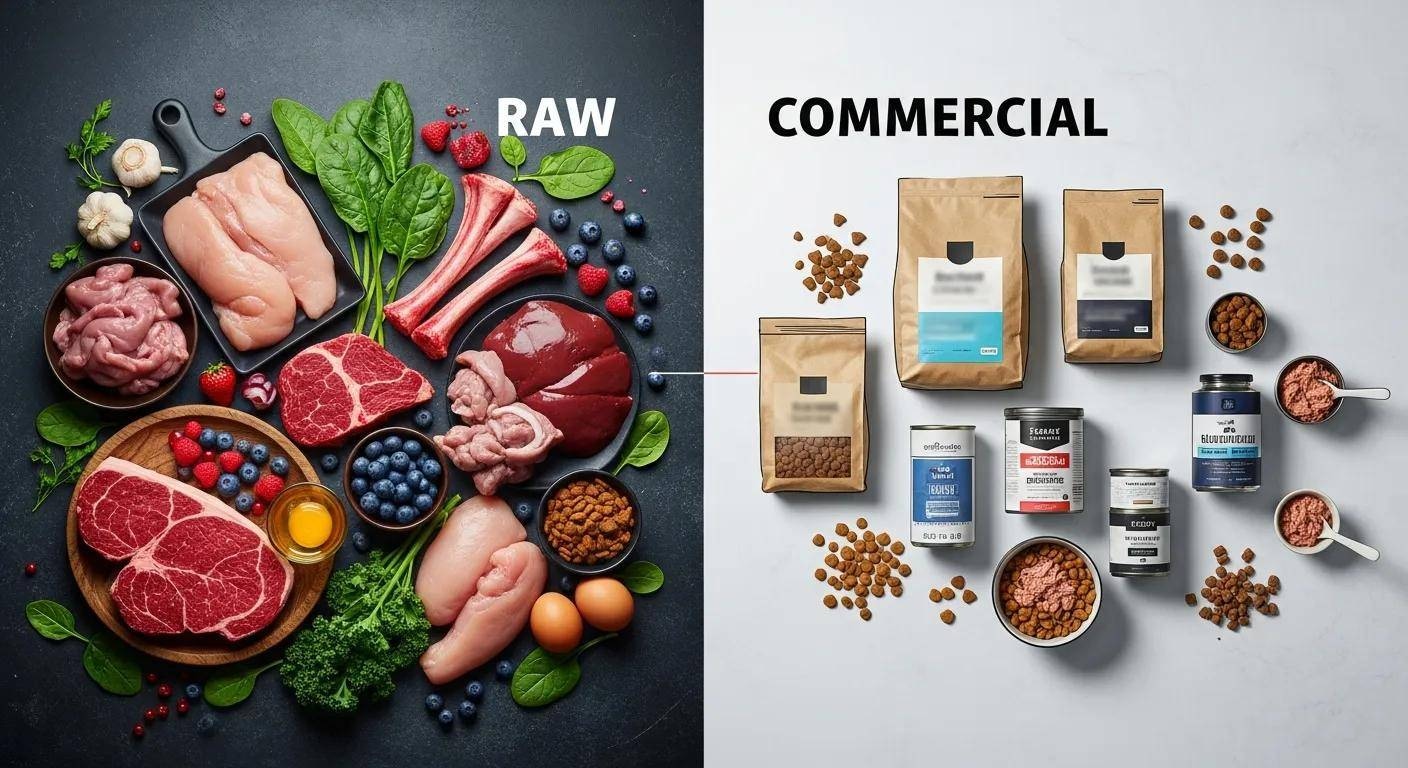
Raw vs Commercial Dog Food — The Practical Showdown
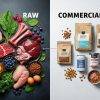
Choosing between raw and commercial dog food comes down to two different approaches: raw focuses on whole, minimally processed ingredients, while commercial kibble is formulated and heat-processed to meet nutrient targets. This guide breaks down how the two compare on nutrient quality, digestibility, safety and day-to-day convenience so you can decide what’s right for your dog. We walk through protein and fat quality, vitamin and mineral bioavailability, cost and handling trade-offs, plus current research and simple how-to steps. You’ll get nutrient-by-nutrient comparisons, an explanation of processing and AAFCO’s role, safety considerations around bacteria and balance, a stepwise transition plan, myth-busting, and how custom raw bundles can support tailored feeding. Our aim is practical, evidence-minded guidance to help you weigh nutrition, safety and convenience.
What Are the Nutritional Benefits of Raw Dog Food Compared to Commercial Kibble?
Raw diets lean on whole muscle meat, organs and rendered fats with minimal processing, which helps protect native proteins, enzymes and heat-sensitive micronutrients. Less heat and less rendering often means amino acids and vitamins stay intact and easier to absorb, which can translate to firmer stools, shinier coats and steadier energy for some dogs. Research and clinical reports point to differences in protein quality and fat profiles that can influence metabolism and the gut microbiome — reasons why owners who prioritise nutrient density often consider raw feeding. Below we compare common raw components with representative kibble ingredients so the differences are clear and actionable.
Clinical Health Markers: Raw Meat-Based vs. Commercial Kibble Diets in Dogs
A comparison of bloodwork, serum chemistry and urinalysis in dogs fed raw meat-based diets versus commercial extruded kibble to highlight how different feeding approaches show up in routine clinical markers. Clinical health markers in dogs fed raw meat-based or commercial extruded kibble diets, K Hiney, 2021
That table shows how raw ingredients tend to keep nutrients in their natural forms, while extrusion and rendering change nutrient availability. With that foundation, the sections below dive into specific macronutrient and micronutrient mechanisms.
How Does Raw Dog Food Provide Superior Protein and Amino Acids?
Raw diets use whole-muscle meat and organs that provide intact proteins and a full array of essential amino acids, which often results in excellent digestibility and utilisation. High-heat processing used for rendered meals and extruded kibble can cause Maillard reactions and modify sensitive amino acids like lysine, lowering their availability. For growing puppies, active dogs and older dogs needing to preserve lean mass, protein quality affects repair, immune function and overall metabolism. Knowing the difference between whole‑muscle and rendered proteins helps you pick diets that match life stage and activity, and reminds you to check formulation completeness and amino acid balance.
Why Are Vitamins and Minerals More Bioavailable in Raw Diets?
Minimally processed raw ingredients tend to keep vitamins and minerals in their native matrices, together with cofactors and enzymes that help absorption — so bioavailability for some micronutrients can be higher than in heat-treated kibble. B vitamins and certain antioxidants are heat-sensitive and can drop during extrusion, while minerals tied up in whole tissues may be easier to absorb because natural chelators are present. Better micronutrient availability supports skin and coat, energy metabolism and immune resilience, especially when organ meats are included. That’s why choosing complete, formulated raw products or working with a nutrition professional is important to ensure micronutrient sufficiency.
What Ingredients and Processing Methods Define Commercial Dog Food?
Dry kibble typically uses rendered protein meals, grains or grain alternatives, added vitamin/mineral premixes and preservatives, all formed through extrusion — a high-temperature, high-pressure cooking process. Extrusion improves shelf life and safety but alters protein structure, can oxidise fats and reduces some heat‑labile vitamins; that helps explain why a guaranteed analysis doesn’t always reflect ingredient quality or bioavailability. The table below summarises common commercial components, their roles and nutritional implications so you can read labels more critically.
Commercial Raw Pet Food Assessment: Nutritional Adequacy and Hygiene Quality
An assessment of commercially available raw meat‑based diets, focusing on nutritional completeness and hygiene quality for dogs and cats sold as frozen ready-to-use products. From nutritional adequacy to hygiene quality: a detailed assessment of commercial raw pet-food for dogs and cats, K Schwaiger, 2022
Processing and ingredient choices shape a kibble’s nutrient profile, so label reading should consider ingredient form and how processing changes availability. Next we look at common fillers and the role of regulatory standards.
What Common Fillers and Additives Are Found in Commercial Kibble?
Kibble often contains grains (corn, wheat, rice), plant protein meals, fibre and preservatives that serve as affordable energy sources, texture agents and shelf-life extenders. These ingredients change caloric density, digestibility and, in some dogs, allergen exposure. Fillers can lower protein density on a dry-matter basis and influence how full a dog feels, while synthetic preservatives and palatants keep food stable and tasty over time. Owners should note ingredient form — whole meat versus meals — and consider how fillers affect calories and weight management when choosing a product.
How Do AAFCO Standards Influence Commercial Dog Food Nutrition?
AAFCO sets nutrient profiles and feeding-trial protocols manufacturers can use to label foods “complete and balanced,” offering a baseline regulatory framework in many markets. But AAFCO doesn’t measure processing quality, ingredient sourcing or bioavailability directly, so products that meet AAFCO profiles can still differ in how nutrients are delivered biologically. Treat AAFCO as a useful starting point, then judge real-world value by ingredient quality, processing methods and manufacturer transparency for a fuller picture.
What Are the Safety Concerns and Quality Controls for Raw Dog Food?
Raw feeding brings two main safety concerns: microbiological risk from pathogens like Salmonella and E. coli, and the potential for nutritional imbalance in poorly formulated DIY diets. These risks can be managed with supplier controls, good cold-chain practice, careful household handling and complete formulations. Microbial risks mainly come from animal tissues that can carry environmental bacteria; mitigation rests on traceable sourcing, frozen storage, and strict home hygiene to protect pets and people. Weigh the risks alongside reported benefits and adopt clear sourcing and handling habits before switching. The section below explains how human‑grade sourcing and company-level controls reduce risk.
Pet Food Safety: Bacterial Hazards in Raw Diets and Public Health Implications
A review of bacterial hazards linked to raw pet foods and their implications for animal and human health, highlighting the need for industry and public-health measures to reduce risk. Pet food safety: emerging bacterial hazards and implications for public health, P Antunes, 2024
How Does PrimalBox Ensure Human-Grade Quality and Bacterial Safety?
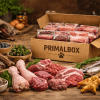
PrimalBox focuses on customisable raw boxes made from human‑grade mince blocks and pairs ingredient transparency with packaging and handling guidance to lower bacterial risk. The brand emphasises traceable, human‑grade sources, cold‑chain packaging and educational content so owners can handle raw safely. Using human‑grade suppliers improves input quality and traceability, while proper frozen packaging and thawing instructions reduce household exposure. Knowing these supplier commitments helps owners combine safe sourcing with good home hygiene to reduce contamination risks.
What Are the Risks of Bacterial Contamination and How Can They Be Mitigated?
Pathogens of concern include Salmonella and E. coli, which can affect immunocompromised people and pets. Mitigation is layered: choose reputable suppliers with cold‑chain practices, keep products frozen until use, thaw safely, handle on disinfectable surfaces, wash hands after contact and refrigerate or discard unused portions promptly. Households with very young children, elderly or immunocompromised members should seek medical advice before introducing raw and may prefer cooked or commercial options. When sourcing, packaging and household hygiene are combined, contamination risk falls significantly.
Key household mitigation steps to reduce bacterial risk:
- Source responsibly: Buy from suppliers that declare human‑grade ingredients and cold‑chain handling.
- Maintain cold chain: Keep raw products frozen until just before feeding.
- Practice strict hygiene: Use dedicated utensils and disinfect prep surfaces after each use.
Used together with supplier-level checks, these practical steps form a simple, effective safety routine owners can start immediately.
How Can Dog Owners Safely Transition Their Pets from Kibble to Raw Food?
A smooth switch mixes a phased swap-in of raw, close monitoring of weight and stool, and tweaks for appetite and sensitivity. A gradual approach lowers the chance of tummy upset and lets you check tolerance and calorie adequacy. Most transitions take 7–21 days depending on age, health and prior diet: slowly increase raw while reducing kibble so total daily calories stay steady. Track stool, hydration, coat and body condition and keep simple records or photos to guide adjustments. Below is a practical phased schedule and monitoring checklist.
A practical numbered transition protocol:
- Days 1–3: Replace 10–20% of daily calories with raw mince, keep meal times unchanged.
- Days 4–7: Move to 30–50% raw if stool is firm and appetite steady.
- Days 8–14: Progress toward 70–90% raw based on tolerance; adjust fat to keep weight stable.
- Days 15–21: Reach your target raw ratio, then monitor weekly and fine‑tune portions.
This staged plan gives clear checkpoints and reduces common issues like diarrhoea or appetite dips. Adjust the pace for your dog and consult your vet if you’re unsure.
What Are the Step-by-Step Methods for a Successful Raw Diet Transition?
Start by estimating your dog’s daily calorie needs and current portions, then add raw in small increments so total calories stay constant — that prevents unwanted weight change and gut upset. Keep feeding times consistent, ensure plenty of fresh water, and increase raw while decreasing kibble. Watch stool, energy and appetite; pause progression if problems occur. For picky or sensitive dogs, mix raw with warm water or a bit of a familiar food to help acceptance, and consider splitting meals to ease digestion. Record intake, weight and stool to guide adjustments and confirm the diet meets your dog’s needs.
How Should Owners Monitor Their Dog’s Health During the Switch?
Check stool consistency, appetite, energy, coat condition and body weight weekly and keep short notes or photos to spot trends early. You might see firmer stools and a glossier coat over several weeks if the diet suits your dog, but persistent diarrhoea, vomiting, lethargy or weight loss require a vet visit. Weigh and score body condition every two weeks to keep calories right, and schedule routine vet checks for puppies or seniors. If you notice blood in stool, severe vomiting, or rapid weight change, seek veterinary advice promptly to rule out nutritional problems or illness.
What Common Myths Surround Raw Dog Food vs. Commercial Kibble?
Raw feeding attracts a few persistent myths. Clearing them up helps owners choose wisely. The main misunderstandings are that raw food is automatically complete, bones are always dangerous, or that kibble is universally safer. We separate DIY, unbalanced raw mixes from professionally formulated complete raw products and explain where nuance matters — for example, bone safety depends on type and supervision, not a blanket ban. Below are concise, evidence-aware debunks.
Common myth debunks:
- Myth: Raw food is always complete and balanced. — Professionally formulated raw can be complete, but DIY mixes often miss essential micronutrients.
- Myth: Bones are always dangerous. — Cooked, weight-bearing bones can splinter; appropriate raw recreational bones or ground bone in mince, with supervision, are generally lower risk.
- Myth: Kibble is always safer than raw. — Extrusion lowers some microbial risks, but ingredient quality and nutrient bioavailability differ widely between products.
Is Raw Food Nutritionally Unbalanced or Incomplete?
Raw food can be complete when it’s formulated to recognised nutrient profiles or lab-tested recipes. But homemade raw diets that skip organs, get calcium-to-phosphorus wrong, or lack micronutrient supplements are at high risk of imbalance. The key is the difference between professionally made complete raw products and DIY mixes without oversight. If you’re considering cooking or mixing at home, consult a veterinary nutritionist; if you use complete formulated raw options, confirm they meet life‑stage requirements.
Are Bones Dangerous and Can Dogs Digest Them Safely?
The risk from bones depends on type, preparation and supervision. Cooked weight-bearing bones can splinter and cause blockages or injury, while softer raw recreational bones or ground bone in mince are generally more digestible and lower risk. Watch for choking, persistent vomiting or changes in stool as signs of trouble. Avoid cooked bones, supervise chew sessions, and pick bone types suited to your dog’s size and chewing habits. If dental health is the goal, dental chews or regular tooth care can be safer alternatives for dogs at risk.
How Do PrimalBox Raw Food Bundles Offer Tailored Nutrition and Value?
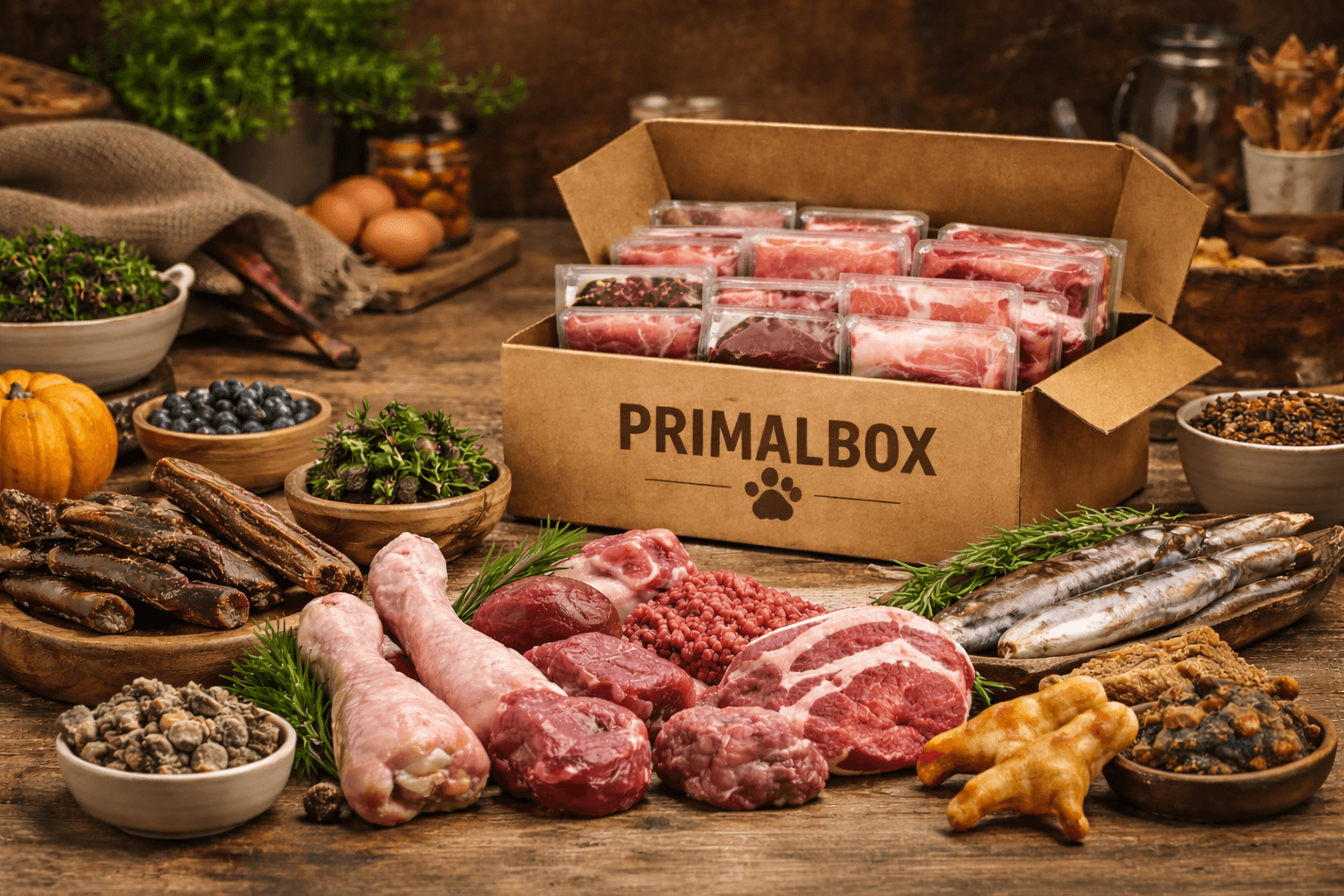
PrimalBox builds customisable raw dog food boxes from human‑grade mince blocks, sold in bundles with subscription options for convenience and savings. Customisation lets owners choose protein sources, organ ratios and fat levels to match life stage, activity and preference. Human‑grade sourcing and transparent labelling aim to increase confidence in ingredients and handling. Subscriptions keep deliveries predictable and simplify portion planning during a transition or ongoing feeding. The table below maps product components to nutritional attributes so you can see how each piece contributes to your dog’s diet.
What Are the Benefits of Customisable Raw Dog Food Boxes from PrimalBox?
Customisable boxes let you tweak protein sources, organ ratios and fat to match your dog’s life stage and activity, making portioning more accurate and weight management simpler. Human‑grade claims add transparency, and bundled packaging cuts down handling and streamlines meal prep. Educational materials help owners handle and portion raw safely. For busy households, recurring bundles and easy adjustments reduce planning friction and support consistent feeding — a big plus for long-term wellbeing.
How Do Subscription Options Provide Convenience and Cost Savings?
Subscriptions automate replenishment, guarantee steady supply and remove the hassle of sourcing specialised raw components. Predictable deliveries help with portion planning and reduce the chance of interruptions during a transition. Bundles lower per-order effort and can reduce overall cost versus buying single items, while keeping ingredient profiles consistent so you can monitor your dog’s response. For phased transitions, subscriptions make quantity adjustments straightforward and reduce the risk of lapses that upset digestion. Together, bundles and subscriptions make raw feeding more manageable day-to-day.
Subscription and bundle practical benefits summary:
- Predictable delivery: Keeps your supply steady and supports gradual transition plans.
- Portion planning: Standardised mince blocks simplify weekly portion calculations.
- Cost framing: Bundles reduce ordering frequency and make budgeting for long-term feeding easier.
These features show how tailored products tie into nutrition planning and owner convenience while keeping the dog’s health front and centre.
Conclusion
Deciding between raw and commercial dog food means weighing nutrition, safety and convenience. Raw diets can offer higher nutrient bioavailability and more customisation, while commercial kibble brings convenience and regulatory consistency. Look at your dog’s life stage, health and household situation, then choose the option that balances benefit and risk for your family. If you’re curious about raw, explore our range of customisable raw dog food bundles to find a safe, practical place to start.
Products
-

-
-